Why Regular Car Maintenance Matters in Dubai
Regular maintenance is more than an oil change. A proper inspection can help identify developing mechanical problems before they become more serious or expensive.
Dubai's driving environment can place additional demands on a vehicle. High temperatures, dusty roads, traffic congestion and long journeys can affect different vehicle systems over time.
Preventive maintenance gives drivers an opportunity to identify worn components, fluid problems, leaks, brake wear, battery issues and cooling-system concerns before they result in an unexpected breakdown.
Exact maintenance requirements vary by vehicle. Drivers should always follow the manufacturer's recommended service schedule for their specific make, model and engine.
Systems Worth Checking
- Engine oil and filters
- Cooling system and coolant
- Battery and charging system
- Brakes and brake fluid
- Tyres and wheel condition
- Suspension and steering
- Belts, hoses and visible leaks
- Air-conditioning system
How Dubai's Climate Can Affect Your Vehicle
Dubai's climate and driving environment can place additional demands on several vehicle systems. Regular inspection can help identify developing problems before they become unexpected repairs.
Extreme Heat
High temperatures can place additional stress on cooling systems, batteries, tyres, fluids and air-conditioning components.
Dust & Sand
Dust can affect filters, radiator airflow and vehicle cleanliness. Appropriate inspection and cleaning can help maintain airflow.
Heavy Traffic
Stop-and-go driving reduces natural airflow and can increase the workload on cooling and air-conditioning systems.
Long Drives
Extended journeys can expose existing problems with tyres, fluids, cooling systems and other mechanical components.
Problems We Commonly Inspect
Different symptoms can have several possible causes. Professional diagnosis helps identify the actual fault before parts are replaced.
Engine Warning Light
A warning light can be caused by electrical, sensor, fuel, emissions or mechanical problems. Diagnostic scanning should be combined with appropriate physical inspection.
Engine Overheating
Overheating may be related to coolant loss, radiator problems, thermostat faults, cooling fans or other cooling-system issues.
Brake Noise
Squealing, grinding or vibration during braking can indicate worn components or another braking-system issue.
Battery & Starting Problems
Slow starting can be related to battery condition, charging-system problems, starter faults or electrical connections.
Suspension Noise
Knocking, vibration or unusual movement may require inspection of suspension, steering and related components.
Fluid Leaks
Oil, coolant or other fluid leaks should be investigated because continued fluid loss can affect vehicle operation and reliability.
What Should Be Checked During Car Maintenance?
Exact maintenance intervals depend on the vehicle manufacturer, model, mileage and driving conditions. Always follow the manufacturer's recommended maintenance schedule.
Check oil level and condition and replace according to the manufacturer's recommended interval.
Inspect coolant level, hoses, radiator condition and signs of leaks.
Inspect brake pads, discs, fluid and overall braking performance.
Check pressure, tread condition, visible damage and uneven wear.
Check battery condition, terminals and charging performance when required.
Inspect air and cabin filters and replace them according to vehicle requirements and operating conditions.
Why Proper Diagnosis Matters Before Repair
A warning light or unusual sound does not always identify the exact failed component. Diagnosis helps determine the actual cause before repair work is recommended.
Understand the Symptoms
The technician reviews warning lights, sounds, leaks, performance changes and when the problem occurs.
Visual Inspection
Visible components, fluids, wiring, hoses, belts and related systems are checked.
Diagnostic Testing
Appropriate scanning or mechanical testing is performed when needed to identify the underlying problem.
Repair Recommendation
Once the problem is understood, the required repair or maintenance work can be explained before work begins.
Benefits of Keeping Your Vehicle Maintained
Earlier Problem Detection
Routine inspections can help identify leaks, wear and other developing problems before they become more serious.
Better Reliability
Keeping important systems maintained can reduce the risk of unexpected vehicle problems.
Safer Driving
Regular checks of brakes, tyres, steering and suspension can help identify safety-related concerns.
Better Vehicle Care
Scheduled maintenance helps keep fluids, filters and serviceable components within appropriate maintenance intervals.
Fewer Surprises
Understanding the condition of your vehicle can make maintenance planning easier.
Manufacturer Schedule
Following the manufacturer's service recommendations helps ensure vehicle-specific maintenance requirements are not overlooked.
More Car Maintenance Guides
Explore practical guides for maintaining and understanding your vehicle in Dubai driving conditions.
Need a Professional Car Inspection in Dubai?
Contact 95 Services with your vehicle make, model, location and the problem you are experiencing. The appropriate service can then be discussed before repair work begins.
How Dubai's Climate Can Affect Your Vehicle
Dubai's climate and driving environment can place additional demands on several vehicle systems. Understanding these conditions can help drivers recognize maintenance needs and respond to problems before they become unexpected breakdowns.
Extreme Heat
High temperatures can place additional demands on the engine cooling system, battery, tyres, fluids and air-conditioning components. Regular inspection is particularly important before long journeys during hot weather.
Dust & Sand
Dust and sand can accumulate around filters, radiator surfaces and other exposed areas. Keeping relevant components clean and checking filters can help maintain proper airflow and vehicle performance.
Heavy Traffic
Stop-and-go traffic can reduce natural airflow through the vehicle and keep the engine running for longer periods at low speeds. Cooling fans and the cooling system therefore need to operate correctly.
Long Drives
Extended journeys can place continuous demands on tyres, fluids, cooling systems, brakes and other mechanical components. A basic inspection before a long trip can help identify visible problems.
Practical Maintenance Tip for Dubai Drivers
Before a long journey, check your tyre condition and pressure, engine oil level, coolant level, visible fluid leaks and dashboard warning lights. If something has changed from your vehicle's normal behaviour, arrange an inspection rather than ignoring the warning.
Problems Your Car May Need Attention For
A vehicle can show different warning signs before a mechanical problem becomes serious. Understanding common symptoms can help drivers decide when an inspection may be necessary.
Engine Warning Light
A check-engine or warning light can have several possible causes, including sensor faults, electrical problems, fuel-system issues or mechanical concerns. A diagnostic scan should be followed by appropriate inspection to identify the actual cause.
Engine Overheating
Rising temperature can be related to coolant loss, radiator problems, thermostat faults, cooling-fan issues or other cooling system problems. An overheating vehicle should not be ignored.
Brake Noise or Vibration
Squealing, grinding, vibration or changes in braking feel can indicate worn brake components or another braking-system concern. Prompt inspection is important when braking behaviour changes.
Battery & Starting Problems
Slow engine cranking or difficulty starting may be related to a weak battery, charging-system fault, starter problem or poor electrical connection.
Suspension & Steering Noise
Knocking sounds, excessive movement, steering vibration or changes in handling can be associated with suspension, steering or related components.
Fluid Leaks
Visible fluid under a parked vehicle can indicate a leak that requires investigation. Different fluids serve different systems, so the source should be identified before assuming the cause.
Air Conditioning Problems
Weak cooling, unusual AC noises or inconsistent temperature may indicate refrigerant, airflow, electrical or component-related problems that require proper diagnosis.
Reduced Fuel Efficiency
A noticeable change in fuel consumption can have several causes, including tyre condition, maintenance issues, sensors, driving conditions or engine-related problems.
Do Not Ignore Changes in Your Vehicle
A warning sign does not always mean that a major repair is required. However, identifying the cause early can help prevent a developing problem from becoming more complicated. If a warning light appears, the engine overheats, braking changes or unusual noises continue, arrange an appropriate vehicle inspection.
What Should Be Checked During Car Maintenance?
Regular maintenance is not limited to changing engine oil. A proper vehicle inspection covers several systems that affect reliability, safety and everyday driving performance. The exact service schedule depends on your vehicle manufacturer, model, mileage and driving conditions.
Engine Oil & Filter
Engine oil lubricates internal components and helps manage friction and heat. The oil level, condition and filter should be checked and replaced according to the vehicle manufacturer's recommended maintenance interval.
Cooling System
The cooling system helps control engine temperature. Coolant level, hoses, radiator condition and visible signs of leakage should be inspected, especially when a vehicle is used in hot conditions.
Brakes & Brake Fluid
Braking components should be inspected for wear and abnormal behaviour. Changes in braking feel, noise or vibration should not be ignored.
Tyres & Wheel Condition
Tyres are essential for braking, steering and road contact. Their pressure and condition should be checked regularly, particularly before long journeys.
Battery & Charging System
Starting problems can be related to battery condition, charging performance or electrical connections. Regular checks can help identify a weak battery before it becomes a starting problem.
Air & Cabin Filters
Filters can become contaminated over time. Air and cabin filters should be inspected and replaced according to vehicle requirements and the conditions in which the vehicle operates.
Belts, Hoses & Leaks
Belts and hoses play important roles in several vehicle systems. Visible cracking, damage, looseness or fluid leakage should be investigated before a component fails.
Air Conditioning System
A properly functioning AC system is important for comfortable driving in Dubai. Changes in cooling performance, airflow or unusual sounds should be investigated.
Suspension & Steering
Suspension and steering components influence handling and driving stability. Unusual noises, vibration or changes in steering feel can indicate that an inspection is needed.
Dubai Maintenance Tip
Before a long drive, check your tyre condition and pressure, engine oil level, coolant level and dashboard warning lights. If you notice a new leak, unusual noise, overheating or a change in vehicle performance, arrange an inspection instead of ignoring the symptom.
Maintenance Intervals Depend on Your Vehicle
There is no single maintenance schedule that applies to every car. Recommended intervals can vary by manufacturer, model, engine, mileage and operating conditions. Always refer to your vehicle's owner's manual or manufacturer's maintenance schedule for vehicle-specific requirements.
Why Proper Diagnosis Matters Before Repair
A warning light, unusual noise or performance problem does not always identify the exact failed component. Proper diagnosis helps determine the likely cause before repair work is recommended.
Understand the Symptoms
The inspection begins by understanding what the driver has noticed. Warning lights, unusual sounds, leaks, vibration, temperature changes and performance problems can provide useful diagnostic clues.
Visual Inspection
Relevant components are checked for visible damage, leaks, worn parts, loose connections and other signs that may help identify where the problem is coming from.
Diagnostic Testing
Where appropriate, computer scanning and mechanical tests can be used to gather additional information. Diagnostic results should be considered together with the vehicle's symptoms and physical condition.
Identify the Likely Cause
The information gathered during inspection and testing is reviewed to determine the likely source of the problem rather than replacing parts without understanding the fault.
Explain the Repair Options
Once the problem has been identified, the required repair can be explained. Depending on the vehicle and fault, more than one repair option may be available.
Repair & Final Testing
After the approved work is completed, the relevant system should be checked again. Depending on the repair, this may include operational checks, diagnostic verification or a suitable road test.
Diagnosis Before Parts Replacement
Replacing a component simply because a warning light or symptom is present does not always solve the underlying problem. Different faults can produce similar symptoms. A structured inspection helps narrow down the possible causes and gives the vehicle owner a clearer understanding of the recommended repair.
Choose the Right Maintenance Service
Different vehicles and driving situations require different levels of inspection and maintenance. These service options provide a simple starting point, while the final work required depends on the vehicle's condition, manufacturer recommendations and inspection results.
Essential Service
Suitable for routine maintenance when the vehicle is generally operating normally and is due for basic scheduled servicing.
- ✓ Engine oil replacement
- ✓ Oil filter replacement
- ✓ Basic fluid checks
- ✓ Tyre pressure check
- ✓ Basic vehicle safety inspection
Complete Maintenance
A broader maintenance option for vehicles due for scheduled servicing or drivers who want several important systems checked.
- ✓ Essential service items
- ✓ Filter inspection
- ✓ Diagnostic scan when appropriate
- ✓ Brake and suspension checks
- ✓ Battery condition check
Full Vehicle Inspection
A detailed inspection for drivers preparing for a long journey, considering a used vehicle purchase or experiencing several symptoms at the same time.
- ✓ Engine and transmission
- ✓ Cooling system
- ✓ Steering and suspension
- ✓ Braking system
- ✓ Electrical and diagnostic checks
Start With Your Vehicle's Situation
The most suitable service depends on what your vehicle needs. Use the situations below as a general guide rather than a substitute for a vehicle-specific maintenance schedule.
Car is running normally
If your vehicle is due for routine maintenance and there are no unusual symptoms, an essential scheduled service may be appropriate.
Several systems need checking
If your vehicle is approaching a larger scheduled service, a more comprehensive maintenance inspection may be useful.
Buying a used vehicle
A detailed inspection can help identify visible mechanical, electrical, braking, cooling and suspension concerns before making a purchase decision.
Your car has a warning sign
Warning lights, overheating, unusual noises, fluid leaks or changes in braking should be investigated rather than treated as routine maintenance.
About Maintenance Prices
Prices shown on this page are indicative starting points. The final cost can vary depending on vehicle make and model, required parts, parts quality, labour requirements, the extent of the problem and the results of the inspection. A vehicle should be assessed before a final repair price is confirmed.
Signs Your Car May Need Inspection
Cars often provide warning signs before a mechanical problem becomes more serious. Recognizing changes in sound, temperature, handling, braking or dashboard warnings can help drivers decide when a vehicle should be inspected.
Dashboard Warning Lights
A warning light can indicate a problem with a vehicle system. The meaning depends on the specific warning and vehicle model. Do not assume that a warning light will disappear on its own.
Engine Temperature Rising
A temperature gauge moving above its normal range, an overheating warning or visible steam can indicate a cooling-system problem.
Unusual Engine Noises
New knocking, ticking, grinding, squealing or other unusual sounds may indicate that a component requires inspection.
Fluid Leaks
A new wet spot or fluid beneath a parked vehicle can indicate a leak. Different vehicle fluids have different colours and purposes, so the source should be identified.
Brake Changes
Grinding, squealing, vibration, a soft pedal or a noticeable change in braking behaviour should not be ignored.
Starting Difficulties
Repeated slow starting or difficulty starting can be associated with the battery, charging system, starter or another electrical issue.
Steering or Suspension Changes
Pulling to one side, unusual vibration, excessive bouncing or knocking sounds can indicate a steering, suspension, tyre or wheel-related concern.
Air Conditioning Gets Weak
Weak cooling, inconsistent temperature, reduced airflow or unusual AC sounds can indicate an airflow, refrigerant, electrical or component-related issue.
Noticeable Fuel Consumption Change
A sudden change in fuel consumption can have several possible causes, including tyre condition, maintenance issues, sensors, driving conditions or engine-related problems.
Burning or Unusual Smell
A new burning, fuel, coolant or other unusual smell can indicate a leak, overheating component or another condition that requires investigation.
Vehicle Vibrations
New vibration through the steering wheel, seat or body can be associated with tyres, wheels, brakes, suspension or drivetrain components.
Loss of Engine Performance
Reduced acceleration, rough running or an unusual change in engine response can have several possible causes and should be investigated if it continues.
When You Should Stop Driving
Some symptoms require more immediate attention. If your vehicle is overheating, producing significant smoke, has a serious brake problem, loses steering control, shows a major fluid leak or displays another serious warning, move to a safe location when possible and seek appropriate professional assistance rather than continuing to drive.
Before Your Next Long Drive
Our Car Service Process
A clear inspection and repair process helps vehicle owners understand what is being checked, why a repair may be recommended and what happens before the vehicle is returned.
Initial Inspection
The vehicle's reported symptoms and visible condition are reviewed. The technician considers the driver's concerns, warning signs, unusual noises, leaks and other relevant observations.
Diagnostic Testing
Where appropriate, diagnostic equipment and additional mechanical checks are used to gather more information about the vehicle's condition and identify possible causes.
Clear Estimate
After the inspection and diagnosis, the required work can be explained together with the relevant parts, labour requirements and other factors that may affect the repair cost.
Repair Approval
Repair work should be discussed with the vehicle owner before proceeding. This gives the customer an opportunity to understand the recommended work and approve the required service.
Repair & Service
Once the required work is approved, the appropriate maintenance or repair procedure is carried out using suitable parts, fluids and service methods for the vehicle.
Final Testing
After the repair, the relevant system is checked again. Depending on the type of work, this may include operational checks, diagnostic verification or an appropriate road test.
Every Vehicle Can Require a Different Repair Approach
The process and testing required can vary depending on the vehicle, fault and type of service. A diagnostic scan alone may not identify every mechanical problem, so appropriate physical inspection and testing should be considered when necessary.
Information That Can Help With Diagnosis
Providing accurate information about the problem can help the technician understand the vehicle's symptoms more efficiently.
Frequently Asked Questions
Find practical answers to common questions about car maintenance, inspections, diagnostics and repair services in Dubai.
Service intervals vary by vehicle make, model, mileage, age and manufacturer recommendations. The owner's manual should be the main reference for the recommended schedule. Drivers should also arrange an inspection sooner if they notice warning lights, unusual noises, fluid leaks, overheating or changes in vehicle performance.
Maintenance cost depends on the vehicle, required service, replacement parts, parts quality and labour requirements. Routine maintenance is generally easier to price than fault-related repairs because the final repair requirement may not be known until the vehicle has been inspected.
A proper inspection is useful when a vehicle has a warning light, unusual noise, overheating, vibration, fluid leak or another mechanical concern. The appropriate inspection and diagnostic method depends on the symptoms and the vehicle involved.
If the temperature rises above the normal range, stop in a safe location when possible and switch the engine off if appropriate. Allow the vehicle to cool and do not open a hot cooling-system cap. Once it is safe, the cooling system should be inspected to identify possible causes such as coolant loss, leaks, radiator problems or cooling-fan issues.
Grinding or squealing noises, vibration while braking, changes in pedal feel or a noticeable change in braking performance can be reasons to arrange an inspection. Brake problems should not be ignored because braking performance is directly related to safe vehicle operation.
Weak AC cooling can have several possible causes, including refrigerant-related problems, restricted airflow, electrical faults or issues with AC components. A proper inspection is needed to determine the cause instead of simply assuming that refrigerant replacement is required.
No. A diagnostic scan can provide useful information about electronic systems and stored fault codes, but it does not replace physical inspection and other appropriate testing. Mechanical problems may require additional checks to identify the actual cause.
Before a long journey, check tyre condition and pressure, dashboard warning lights and fluid levels according to the manufacturer's instructions. It is also useful to look for visible leaks and pay attention to any unusual sounds, smells, vibrations or changes in vehicle performance.
Service requirements differ between vehicle manufacturers and models. Before carrying out maintenance or repairs, the vehicle details and required service should be confirmed so the correct inspection, parts and maintenance procedures can be considered.
Serious overheating, significant smoke, major brake problems, loss of steering control, substantial fluid leaks or severe warning signs can make continued driving unsafe. If possible, move to a safe location and seek appropriate professional assistance rather than continuing to drive a vehicle with a serious fault.
Still Have a Question?
If your vehicle is showing a symptom that is not covered above, the most useful next step is to describe the vehicle, the warning sign and when the problem occurs so the appropriate inspection can be considered.
Practical Car Care Tips for Dubai Drivers
Dubai driving conditions can be demanding on different vehicle systems. Hot weather, traffic, dust, frequent air-conditioning use and long journeys make it important to pay attention to basic vehicle maintenance and warning signs.
Keep an Eye on Engine Temperature
Your vehicle's cooling system plays an important role in controlling engine temperature. If the temperature gauge moves outside its normal range or an overheating warning appears, do not ignore it. Coolant level, hoses, radiator condition, cooling fans and other related components may need inspection.
Check Tyres Regularly
Tyres are the vehicle's contact with the road. Check tyre pressure according to the vehicle manufacturer's recommendation and inspect for visible damage, uneven wear or unusual changes. Before a long journey, a quick tyre check can be particularly useful.
Do Not Ignore Fluid Leaks
A wet patch underneath a parked vehicle should not automatically be assumed to be harmless. Vehicles use different fluids for different systems, and the colour or appearance alone may not identify the source accurately. A persistent leak should be investigated.
Pay Attention to Your AC
Air conditioning is an important part of comfortable driving in Dubai. If cooling becomes noticeably weaker, airflow changes, or unusual sounds develop, the system should be checked rather than repeatedly adding refrigerant without identifying the underlying cause.
Watch for Changes in Braking
Braking should feel predictable and consistent. Grinding, squealing, vibration, a soft pedal or changes in stopping behaviour can indicate that the braking system requires inspection.
Follow the Manufacturer's Schedule
There is no universal maintenance interval for every vehicle. Service requirements can differ according to make, model, engine, mileage, age and operating conditions. Your owner's manual and manufacturer's maintenance schedule should be the primary reference for routine servicing.
Why Local Driving Conditions Matter
Vehicle maintenance should always consider how and where a car is used. Dubai drivers may experience a combination of hot weather, stop-and-go traffic, dusty environments and long highway journeys.
Hot Weather
High temperatures make cooling-system condition, fluid levels and battery condition important areas to monitor.
Dust & Sand
Dusty environments can affect filters and vehicle cleanliness, making regular inspection and appropriate filter maintenance useful.
Heavy Traffic
Stop-and-go driving can place different demands on the vehicle compared with steady highway driving, particularly around cooling and braking systems.
Long Journeys
Before longer drives, checking tyres, fluids, warning lights and any existing symptoms can help identify issues that need attention.
Good Maintenance Starts With Paying Attention
You do not need to be a mechanic to notice that something has changed. A new warning light, unusual sound, fluid leak, vibration, temperature change or loss of performance is useful information. Recording when the symptom occurs and arranging an appropriate inspection can make it easier to identify the underlying problem.
Vehicle Brands We Service
Different vehicle manufacturers use different engines, electrical systems, transmission designs and maintenance schedules. Vehicle details should always be confirmed before recommending specific maintenance or repair work.
Maintenance Support for Different Driving Needs
The type of vehicle and how it is used can affect its maintenance requirements. A family car used mainly for city driving may have different service needs from a vehicle used for frequent highway journeys or business purposes.
Daily Driver
Regular city driving can make routine checks of oil, brakes, tyres, battery, cooling system and other essential components important.
SUV & 4×4
Larger vehicles may have different service requirements for suspension, tyres, brakes, drivetrain and other systems depending on the model and how it is used.
Premium & European
European and premium vehicles can use model-specific diagnostic systems, components and service procedures. Vehicle details should be confirmed before maintenance is planned.
Business & Fleet
Vehicles used regularly for business may benefit from organized maintenance records, scheduled inspections and timely servicing to help manage vehicle availability.
Tell Us Your Vehicle Details
When requesting an inspection or service, provide the vehicle make, model, year and engine information where available. Also mention the main symptom, warning light or recent maintenance. This information can help determine what type of inspection may be appropriate.
A Simple Maintenance Checklist for Dubai Drivers
Keeping track of routine checks can make it easier to notice changes in your vehicle and stay aware of upcoming maintenance. Use this checklist as a general guide and always follow your vehicle manufacturer's recommendations.
Engine Oil
Check the engine oil according to the instructions in your owner's manual. The correct oil type and checking procedure can vary between vehicles.
Check according to manufacturer scheduleCoolant & Cooling System
When the engine is safely cool, check the coolant level as recommended by the manufacturer. Look for visible leaks or signs of overheating.
Never open a hot cooling-system capTyres
Check tyre pressure using the vehicle manufacturer's recommended values. Also look for visible damage, uneven wear or changes in tyre condition.
Check before longer journeysBrakes
Pay attention to changes in braking behaviour, unusual sounds, vibration or changes in pedal feel. These symptoms can indicate that the braking system requires inspection.
Do not ignore braking changesBattery & Starting
Notice whether the engine starts normally. Slow cranking, repeated starting difficulties or electrical changes may indicate that the battery or charging system needs checking.
Investigate repeated starting problemsAir Conditioning
Monitor AC cooling and airflow, especially during Dubai's hot weather. A noticeable change in performance or an unusual sound may require inspection.
Do not assume refrigerant is always the causeLights & Visibility
Check headlights, brake lights, indicators, mirrors and windscreen visibility. Replace or repair items that affect your ability to see or communicate with other road users.
Important for everyday drivingWarning Lights
Pay attention to new dashboard warning lights or messages. Consult the vehicle manual to understand the warning and arrange appropriate diagnosis when necessary.
Do not routinely ignore warning lightsTrack Your Vehicle Maintenance
Keeping basic service information in one place can help you remember previous work and provide useful information during future inspections.
Service Date
Record when the maintenance or repair was completed.
Mileage
Note the vehicle mileage at the time of service.
Work Completed
Keep a basic record of parts replaced or maintenance performed.
Next Service
Follow the manufacturer's recommended maintenance schedule.
Pay Extra Attention During Hot Weather
During Dubai's hotter months, drivers may use the air conditioning frequently and spend significant time in traffic. Before longer journeys, pay attention to engine temperature, cooling-system warnings, tyre condition, battery performance and any change in vehicle behaviour.
Maintenance Is About More Than Changing Oil
A well-maintained vehicle requires attention to several systems. Following the manufacturer's schedule, noticing changes early and keeping useful service records can help you make better maintenance decisions over the life of your vehicle.
A More Transparent Approach to Vehicle Care
Choosing a repair service is not only about finding a place to fix a vehicle. Understanding the problem, knowing what work is being recommended and having an opportunity to review the repair before work begins are all important parts of a professional service experience.
Diagnose Before Repair
A symptom does not always identify the exact cause of a vehicle problem. Appropriate inspection and diagnostic checks can help determine what needs attention before repair work is recommended.
Inspection FirstClear Price Information
Repair costs can depend on the vehicle, parts, labour and extent of the problem. Customers should understand the relevant cost factors before approving additional repair work.
Clear EstimatesCustomer Approval
Recommended repair work should be explained before it is carried out. This gives the vehicle owner an opportunity to understand the proposed work and approve the service.
Approval Before WorkSuitable Parts & Fluids
Different vehicles require different specifications. The correct parts, fluids and service procedures should be selected according to the vehicle manufacturer's requirements and the repair being performed.
Vehicle-Specific CareProfessional Equipment
Modern vehicles can require electronic diagnostics alongside physical inspection. Suitable diagnostic equipment can provide useful information when investigating electronic and system faults.
Diagnostic SupportFinal Testing
After maintenance or repair, the relevant system should be checked again. Depending on the work, this may include operational checks, diagnostic verification or an appropriate road test.
Final VerificationFrom Vehicle Concern to Completed Service
A straightforward process helps keep communication clear throughout the inspection and repair journey.
Tell Us the Problem
Share the vehicle details and the symptoms you have noticed.
Inspect & Diagnose
The appropriate inspection or diagnostic checks are considered.
Review the Work
The recommended repair and relevant cost factors are discussed.
Complete & Check
Approved work is completed and the relevant systems are checked.
The Inspection Should Explain the Problem — Not Just the Repair
A good repair decision starts with understanding why a vehicle is showing a particular symptom. The same warning sign can sometimes have more than one possible cause. That is why appropriate inspection and diagnosis are important before replacing parts or carrying out major repairs.
Car Maintenance for Different Dubai Driving Needs
The way a vehicle is used can affect the type of maintenance it requires. City traffic, highway driving, frequent short trips and longer journeys can place different demands on tyres, brakes, cooling systems, batteries and other vehicle components.
City & Stop-and-Go Driving
Frequent stopping and starting can create different operating conditions compared with steady highway driving. Regular attention to brakes, tyres, fluids and general vehicle condition can help identify developing problems.
Highway & Long-Distance Driving
Longer journeys can make vehicle preparation especially important. Tyre condition, fluid levels, warning lights and any existing mechanical symptoms should be considered before travelling.
Hot Weather Driving
Dubai's hot climate makes it important to pay attention to the cooling system, battery, air conditioning and other vehicle systems. Any change in engine temperature should be taken seriously.
Dust & Sand Exposure
Dusty environments can affect vehicle cleanliness and air filtration. Regular inspection of relevant filters and keeping the vehicle's maintenance schedule up to date can help maintain normal operation.
Short & Frequent Trips
Vehicles that are used mainly for short journeys may have different maintenance patterns from vehicles that regularly complete longer drives. Following the manufacturer's service schedule remains important.
SUV & 4×4 Use
SUVs and four-wheel-drive vehicles can have model-specific requirements involving tyres, suspension, drivetrain, brakes and other components. Maintenance should follow the vehicle's specifications.
Supporting Drivers Across Dubai
If your vehicle requires an inspection or maintenance service, confirm service availability and the exact location before visiting. Coverage can depend on the type of service and vehicle requirement.
Central Dubai
Vehicle maintenance and inspection requirements for drivers travelling through central areas of Dubai.
Residential Communities
Routine maintenance, inspections and common repair concerns for everyday vehicle owners.
Business & Fleet Areas
Vehicle maintenance considerations for cars used regularly for business and operational purposes.
Long-Distance Routes
Pre-trip vehicle checks can be useful before longer highway journeys outside the usual daily driving routine.
Do Not Start a Long Trip With an Existing Warning Sign
If your vehicle is already overheating, losing fluid, showing a serious warning light, making an unusual noise or experiencing a noticeable braking or steering problem, consider having it inspected before starting a long journey.
Helpful Guides for Dubai Car Owners
Understanding common vehicle problems can help you make better maintenance decisions. Explore practical guides covering servicing, overheating, brakes, air conditioning, batteries and other common automotive concerns.
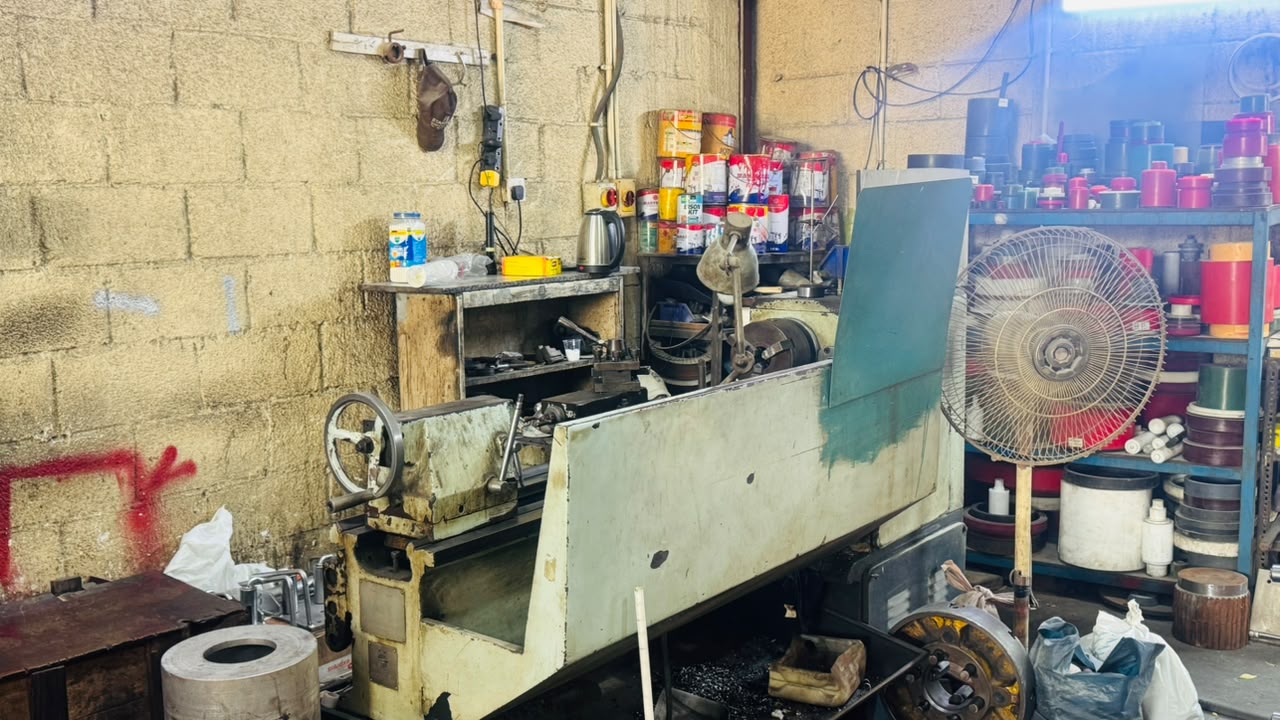 MAINTENANCE
How Often Should You Service Your Car in Dubai?
Learn how service intervals can vary according to vehicle model, mileage, age, manufacturer recommendations and driving conditions.
Read Maintenance Guide →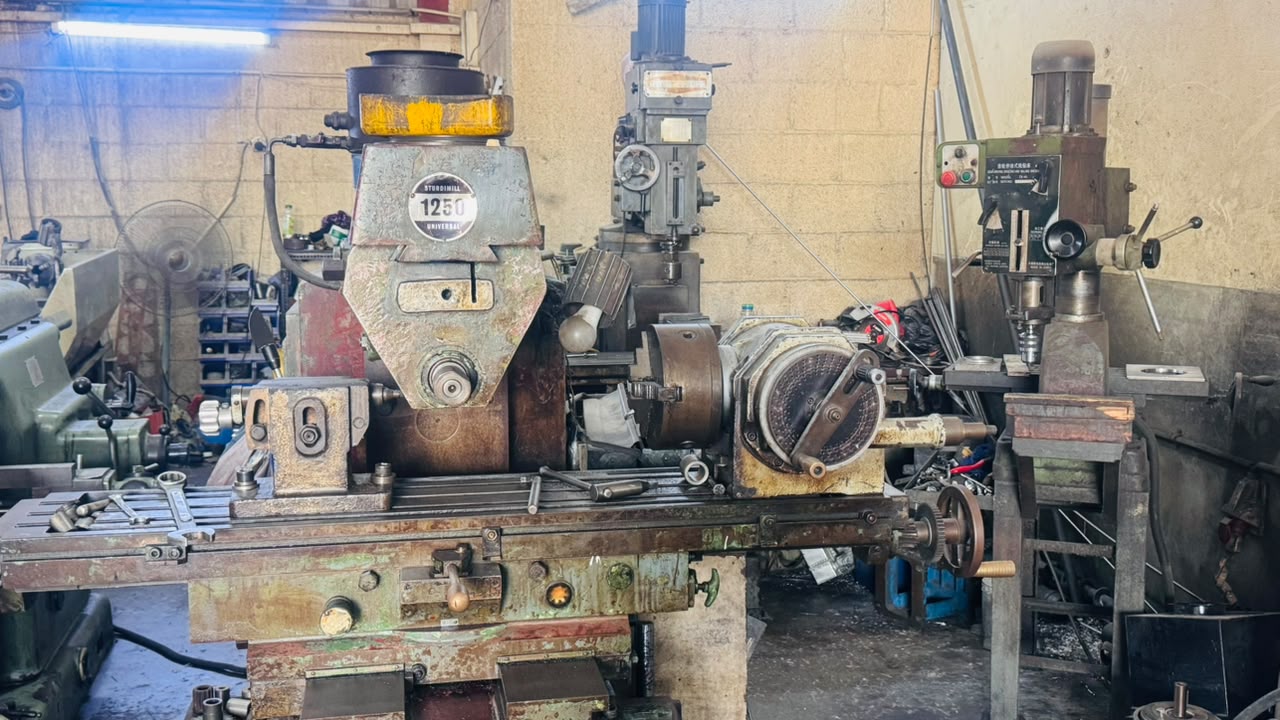 ENGINE
Why Cars Overheat in Dubai Summer?
Understand common overheating causes, warning signs, cooling system problems and what drivers should do when engine temperature rises.
Read Overheating Guide →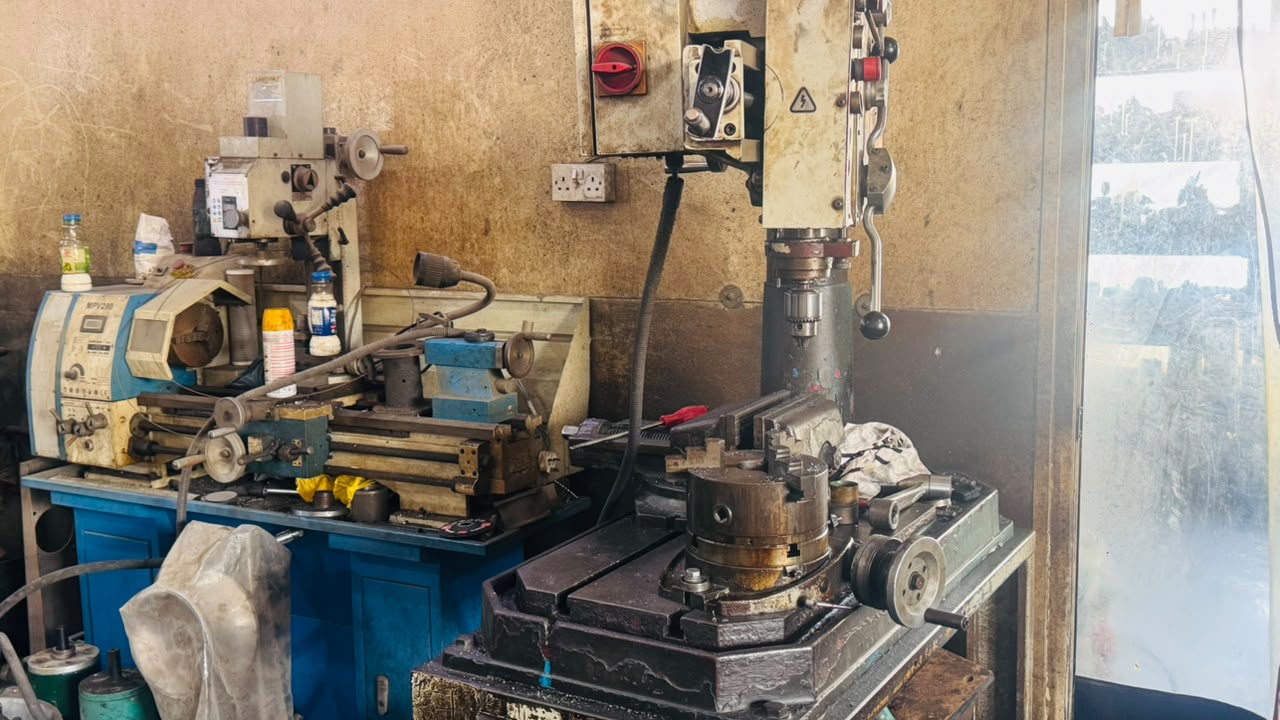 ENGINE
10 Warning Signs Your Car Engine Needs Attention
Discover common signs such as unusual noises, warning lights, overheating, reduced performance, fluid leaks and starting problems.
Read Engine Guide → AIR CONDITIONING
Common Car AC Problems in Dubai
Learn why vehicle air conditioning may stop cooling properly and what different symptoms can tell you about possible AC system problems.
Read AC Guide → BRAKES
Brake Warning Signs Drivers Should Not Ignore
Learn about brake noise, vibration, changes in pedal feel and other signs that may indicate the braking system requires inspection.
Read Brake Guide → BATTERY
Why Is My Car Having Trouble Starting?
Understand possible battery, starter, charging-system and electrical causes behind slow or difficult vehicle starting.
Read Battery Guide →More Car Care Questions to Explore
Build your vehicle knowledge with practical information about maintenance, diagnostics and common repair concerns.
Learn the Basics Before Choosing a Repair
Our guides are designed to explain common automotive issues in straightforward language. They are intended to help vehicle owners understand symptoms and maintenance considerations; they do not replace a vehicle-specific inspection or the manufacturer's maintenance instructions.
Areas We Serve in Dubai
95 Services provides automotive repair, maintenance, inspection and roadside support across many areas of Dubai. If you are unsure whether your location is covered, contact our team before booking.
Downtown Dubai
Car repair and maintenance support
Dubai Marina
Vehicle inspection and repair support
Jumeirah
Automotive maintenance services
Business Bay
Car inspection and repair support
Al Barsha
Vehicle maintenance and repair
JVC
Car repair and maintenance support
JLT
Automotive inspection and repair
Arabian Ranches
Vehicle service and maintenance support
Mirdif
Car maintenance and repair services
International City
Automotive repair and inspection support
Dubai Silicon Oasis
Vehicle maintenance and diagnostics
Al Quoz
Professional automotive repair support
Deira
Car repair and maintenance services
Bur Dubai
Vehicle inspection and repair support
Sheikh Zayed Road
Car service and roadside support
Dubai Investment Park (DIP)
Automotive maintenance and repair
Motor City
Vehicle inspection and maintenance
Dubai Sports City
Car repair and maintenance support
Not Sure If We Cover Your Location?
Dubai is a large city and service availability can depend on the type of repair, vehicle problem and required assistance. Contact 95 Services with your location and vehicle details so the team can confirm the appropriate service options.
Get in Touch With 95 Services
Tell us your vehicle location, make, model and the problem you are experiencing. Our team can guide you on the next appropriate step.