
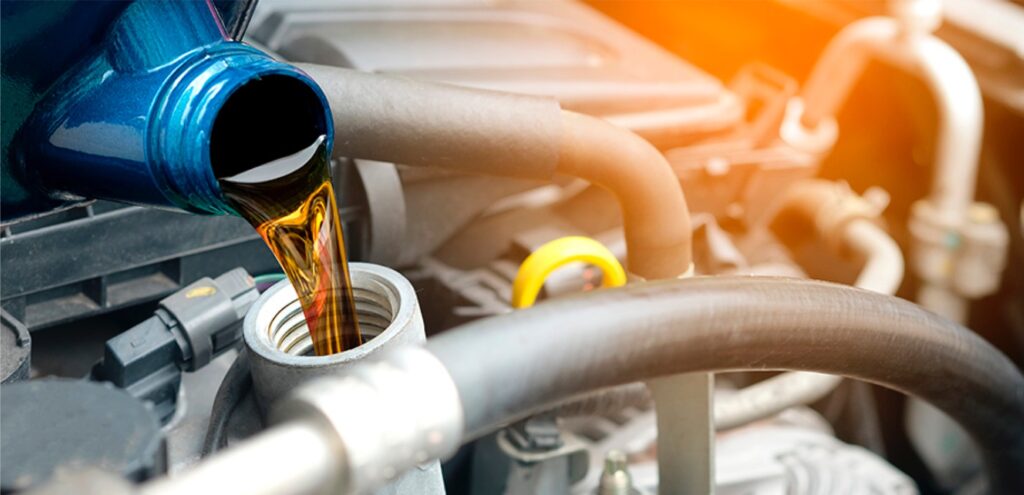
Engine oil is the hardest-working fluid in a car. It lubricates moving parts, carries heat away from the engine, suspends dirt and wear particles, and protects against corrosion — all while operating at high temperature and pressure. In Dubai's heat, it does all of that under greater stress than in almost any other driving environment, which is why oil change habits matter more here, not less. Fresh oil on schedule is the cheapest engine protection there is; neglected oil is the slowest, quietest way to shorten an engine's life.
This article explains when to change engine oil in Dubai, which oil suits the car, what a mobile oil change at the driver's location includes, what affects the cost, and the warning signs that mean the oil needs attention now — so the decision is made on facts, not on guesswork or on a dashboard light that appears too late.
Why Engine Oil Matters More in Dubai Heat
Heat thins oil and accelerates its breakdown. At sustained high temperatures, oil oxidises faster, its additives deplete sooner, and its ability to hold contaminants in suspension weakens. The result is oil that looks dark sooner, protects less effectively, and leaves deposits on internal surfaces. Add Dubai's traffic patterns — long idling with the air conditioning at full load, short trips that never fully warm the engine, and dusty air that loads the intake and the oil with fine particles — and the oil's working life shortens further.
That is why the manufacturer's severe-service interval, not the headline interval, is the realistic one for most Dubai driving. A car that spends its life in city traffic, idling, and short hops meets the definition of severe service even if it never tows or carries heavy loads. Following the severe-service schedule is not over-servicing; it is servicing for the conditions the car actually faces. The difference shows up years later, in an engine that still runs quietly and cleanly while a neglected one burns oil and rattles on start-up.
When to Change Engine Oil: Intervals, Mileage & the Signs That Override Both
The right interval follows the vehicle: the manufacturer's recommendation for the model, adjusted for Dubai conditions. Most modern cars specify an interval in kilometres or months, whichever comes first — and the "whichever comes first" matters, because oil degrades with time as well as use. A car driven little still needs its oil changed on the time interval, because moisture, fuel dilution from short trips, and additive depletion do not wait for mileage.
Mileage alone is not the whole story. Driving style and conditions move the needle: frequent short trips, extended idling, dusty roads, towing, and sustained high-speed driving all shorten the safe interval. And certain signs override any schedule. Oil that is very dark, gritty between the fingers, or smells strongly of fuel needs changing regardless of when it was last done. A dropping oil level between checks signals consumption or a leak. An oil pressure warning light means stop and investigate immediately — driving on with no oil pressure destroys an engine in minutes. New engine noises — ticking on start-up, knocking under load — can mean the oil is no longer protecting properly. When any of these appear, the answer is inspection now, not waiting for the next scheduled service. For the warning signs that should never be ignored, read the guide to engine warning signs.
Which Oil? Types, Viscosity & What the Manufacturer Specifies
Engine oils differ in base stock, additives, and viscosity, and the correct choice follows the manufacturer's specification for the vehicle — not the cheapest bottle on the shelf, and not the most expensive either. Mineral oils suit older, simpler engines with short change intervals. Semi-synthetic oils blend mineral and synthetic base stocks for a balance of protection and cost. Fully synthetic oils resist heat breakdown best, flow better when cold, and hold their protective properties longest — which is why most modern engines, and almost all turbocharged engines, specify them.
Viscosity — the numbers such as 5W-30 or 0W-20 on the bottle — describes how the oil flows when cold (the number before the W) and at operating temperature (the number after it). Thinner cold-flow grades protect better on start-up, when most engine wear happens; the hot grade must match what the engine was designed for, because bearings, oil passages, and variable valve systems depend on it. Using a thicker oil than specified does not give "extra protection" — it can starve tight-tolerance components and hurt fuel economy. Using a thinner oil than specified risks metal-to-metal contact under load. The specification in the owner's manual, including any manufacturer approval code, is the answer; anything else is a guess. When the oil is changed, the grade and specification used should be told to the driver, not left as a mystery.
What a Mobile Oil Change Includes
A proper oil change is more than draining and refilling. Done completely, at the driver's location, it follows a set sequence. First, the engine is brought to a suitable temperature and the old oil is drained fully, with the drain plug and washer inspected — a damaged washer is replaced, not reused, because it is the seal that prevents slow leaks. Second, the oil filter is replaced: a new filter with old oil, or old filter with new oil, both leave contamination in the system, so the two go together. Third, the correct grade and quantity of fresh oil is filled to the manufacturer's specification. Fourth, the engine is run, checked for leaks at the filter and drain plug, and the level is re-checked and corrected after the oil has circulated and settled. Fifth, the surrounding checks are done: coolant level, brake fluid, tyre pressures, belts and hoses, and a look underneath for fresh leaks — because an oil change visit is the ideal moment to catch the next problem early.
Waste oil is taken away for proper disposal, not left with the driver. The work area is left clean. And the driver is told what was used, what was found, and when the next change is due — the record that keeps the schedule honest. For the difference between minor and major services and what each should include, read the guide to car service cost in Dubai.

Oil Leaks: Finding Them Before They Find the Engine
A car should not lose oil between changes. Drops on the parking spot, a burning-oil smell, a hazy film on the engine, or a steadily dropping dipstick level all mean oil is escaping somewhere — and every escape route, left alone, ends at the same place: an engine running low on oil. Common sources include the drain plug washer, the oil filter seal, the valve cover gasket, the oil pan gasket, and crankshaft seals. Some are quick fixes; some need workshop access. All of them are cheaper found early.
The check is simple and belongs in the monthly routine: look at the ground where the car parks, check the dipstick level on level ground with a cool engine, and glance at the engine bay for fresh wetness. A small leak found at a service visit is a seal or a washer; the same leak ignored becomes a low-oil engine with bearing damage. If the oil level drops noticeably between checks, or the oil pressure light appears, the car needs inspection before it is driven further — topping up without finding the leak only postpones the failure.
Reading the Dipstick & Dashboard: What Drivers Can Check Themselves
Two checks belong to every driver, no tools or training needed. The dipstick check: park on level ground, switch off, wait a few minutes for the oil to settle, pull the dipstick, wipe it clean, push it fully back in, then pull it again and read the level between the minimum and maximum marks. Too low means top up with the correct grade and find out why it dropped; too high — overfilled at the last change — can cause foaming, pressure problems, and seal damage, and needs correcting. Note the oil's appearance while the dipstick is out: clear amber on fresh oil, progressively darker with use, and concerning if it looks milky (coolant contamination), smells strongly of fuel, or feels gritty.
The dashboard check: know what the oil pressure warning light looks like before it ever appears — usually an oil can symbol, red, and it means stop the engine as soon as it is safe to do so. An oil level warning, where fitted, is less urgent but still means check the level that day, not next week. And the service reminder: when it appears, it is a prompt to book, not a suggestion to ignore until the next one. Drivers who know these two checks catch problems in the driveway instead of discovering them on the highway.
What an Oil Change Costs — and What Affects the Price
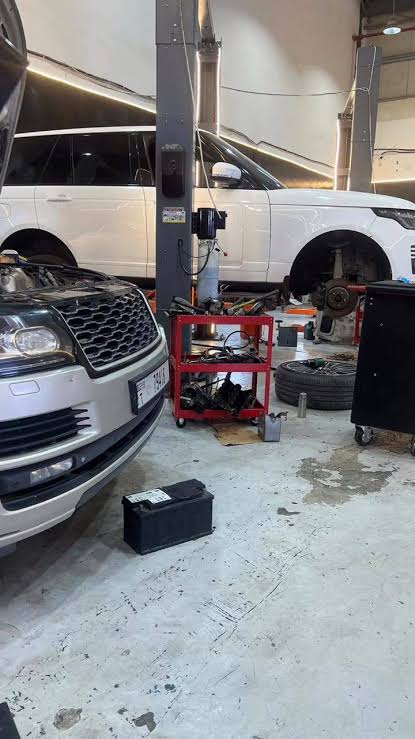
Service prices at 95 Services are kept very low as a matter of policy, and oil changes follow the same rule as every other job: the scope and the price are discussed and confirmed before work begins. No work starts on a guess, and no surprise appears on the bill afterwards. The quote reflects the oil specification and quantity the vehicle needs, the filter, and the labour — confirmed before the technician starts.
What affects the price is straightforward: the oil type and grade specified for the engine, with fully synthetic oils costing more than mineral or semi-synthetic; the quantity the engine holds, which varies widely between models; the filter type; and whether the visit includes additional checks or work found during inspection. A larger engine needing more oil costs more than a small one; a car needing only an oil and filter change costs less than one where inspection finds a leaking seal that also needs attention — and the driver hears about the extra work first and approves it. Low prices only work when they are honest, so the confirmed quote comes before the work, every time.
Mobile Service or Workshop Visit?
Oil changes are ideal mobile work: draining, filter replacement, filling, leak checks, and level verification are all done where the car stands, with the waste oil taken away afterwards. The driver saves the trip to a garage and the wait in a queue, and the car never leaves its parking spot. Most routine oil changes, including the surrounding checks, are completed at the location.
Some cases belong in the workshop: a leak needing extended access underneath, a drain plug thread repair, an oil pan gasket replacement, or any fault found during the visit that needs a ramp and more tooling. When that is the case, the honest answer is given on the spot — what was found, why workshop facilities are needed, and how car recovery is arranged where the car cannot be driven. Either way, the response time, the low prices, and the confirmed quote stay the same.
Choosing a Service: What a Good Oil Change Visit Looks Like
Not all oil changes are equal, and the differences show up in what the driver is told. A good visit starts with the vehicle: its specification looked up, not guessed, and the oil grade and quantity confirmed against it. The old oil is drained fully and the filter is replaced as a matter of course — a service that offers to skip the filter to save a small amount is cutting the corner that matters. The drain plug washer is inspected and replaced when tired. The engine is run and checked for leaks before the technician leaves, and the level is re-checked after circulation, not just filled and assumed.
The driver should leave knowing four things: what oil grade and specification was used, what the filter change included, what else was checked and found, and when the next change is due. If a visit ends without those answers, the service was a transaction, not maintenance. Records matter too: keeping the date, mileage, and oil specification of each change builds the history that protects warranty claims, supports resale value, and lets any future technician see exactly what the engine has had. Ask for the record, and keep it with the car.
Oil Change Myths That Cost Drivers Money
Three myths deserve retiring. The first: "oil should be changed every 3,000 kilometres, whatever the manual says." That rule predates modern oils and engines; the manufacturer's interval, adjusted for Dubai conditions, is the authority, and changing far more often than needed wastes money without adding protection. The second: "dark oil is worn-out oil." Oil darkens as it does its job suspending contaminants — colour alone does not condemn it; level, texture, smell, and interval together tell the story, and testing tells it definitively. The third: "thicker oil protects better in heat." As covered above, the specified grade protects best; thicker than specified can starve components the engine was designed to feed with thinner oil. The manual's specification, followed on schedule, beats all three myths.
How It Works: From Your Call to Fresh Oil
Every oil change follows the same five steps. First, the call: phone or WhatsApp with the location, vehicle details, and any symptoms. Second, the response: help dispatched within the 15–20 minute standard, anywhere in the complete UAE. Third, inspection: oil level and condition, leaks, and the surrounding checks. Fourth, the quote: oil specification, filter, and price confirmed before work begins. Fifth, the change and verification: drain, filter, fill, leak check, level re-check, and the findings explained with the next change due. That sequence never changes, because speed without inspection is guessing, and a change without verification is a promise unverified.
Frequently Asked Questions
How often should I change my engine oil in Dubai?
Follow the manufacturer's interval, treating the severe-service schedule as the real one for Dubai's heat, dust, and traffic — kilometres or months, whichever comes first. Signs such as very dark or gritty oil, a dropping level, or an oil pressure light override any schedule.
Which oil is best for my car?
The grade and specification in the owner's manual, including any manufacturer approval code. Fully synthetic suits most modern and turbocharged engines; the specified viscosity matters more than the brand or the price.
Can an oil change really be done at my location?
Yes. Draining, filter replacement, filling, leak checks, and level verification are all mobile work, and waste oil is taken away. Jobs needing a ramp or extended access are honestly directed to the workshop.
My car is losing oil but there are no drops on the ground. Why?
Oil can be consumed internally — past worn valve seals, piston rings, or a failing turbo seal — without visible leaks. A dropping level with no external leak needs diagnosis, not just topping up.
How fast can help reach me?
The response time is 15–20 minutes. Call or WhatsApp +971 54 344 3513 with a live location and vehicle details, and help is dispatched to reach the vehicle within 20 minutes, anywhere in the UAE.
Are 95 Services prices low?
Yes — service prices are kept very low as a matter of policy. The scope and price are confirmed before work begins, and no work starts without the customer's approval.
Contact 95 Services: Oil Changes & Car Care Across the UAE
Whether the car is due for an oil change, showing a warning sign, or losing oil between checks, the first step is one call. Contact 95 Services on +971 54 344 3513 by phone or WhatsApp, or email info@95services.com, with the vehicle details, the location, and what has been noticed. Help is dispatched within the 15–20 minute response standard, prices stay very low, and the quote is confirmed before any work begins. The office is at Ahmed Ali Al Owais Showroom Building, Office M05, Abu Hail, Al Khabaisi, Dubai, UAE. Call before visiting so the correct service arrangement can be confirmed. For general repairs, see car repair and maintenance, or visit the contact page to send an enquiry.
