Tyre Puncture Repair Near Me in Dubai
95 Services provides fast and reliable mobile tyre repair and roadside assistance across Dubai. Whether you have a flat tyre, puncture, damaged rim, or need an urgent tyre replacement, our mobile team reaches your location quickly and gets you safely back on the road without towing or long waiting times.
Fast Response
Mobile technicians reach your location quickly with fully equipped roadside tyre repair support across Dubai.
Available 24/7
Day or night, weekends or holidays, our roadside team stays ready whenever urgent tyre issues happen.
Mobile Assistance
On-site tyre repair, replacement, puncture fixing, and air refill without towing your vehicle anywhere.
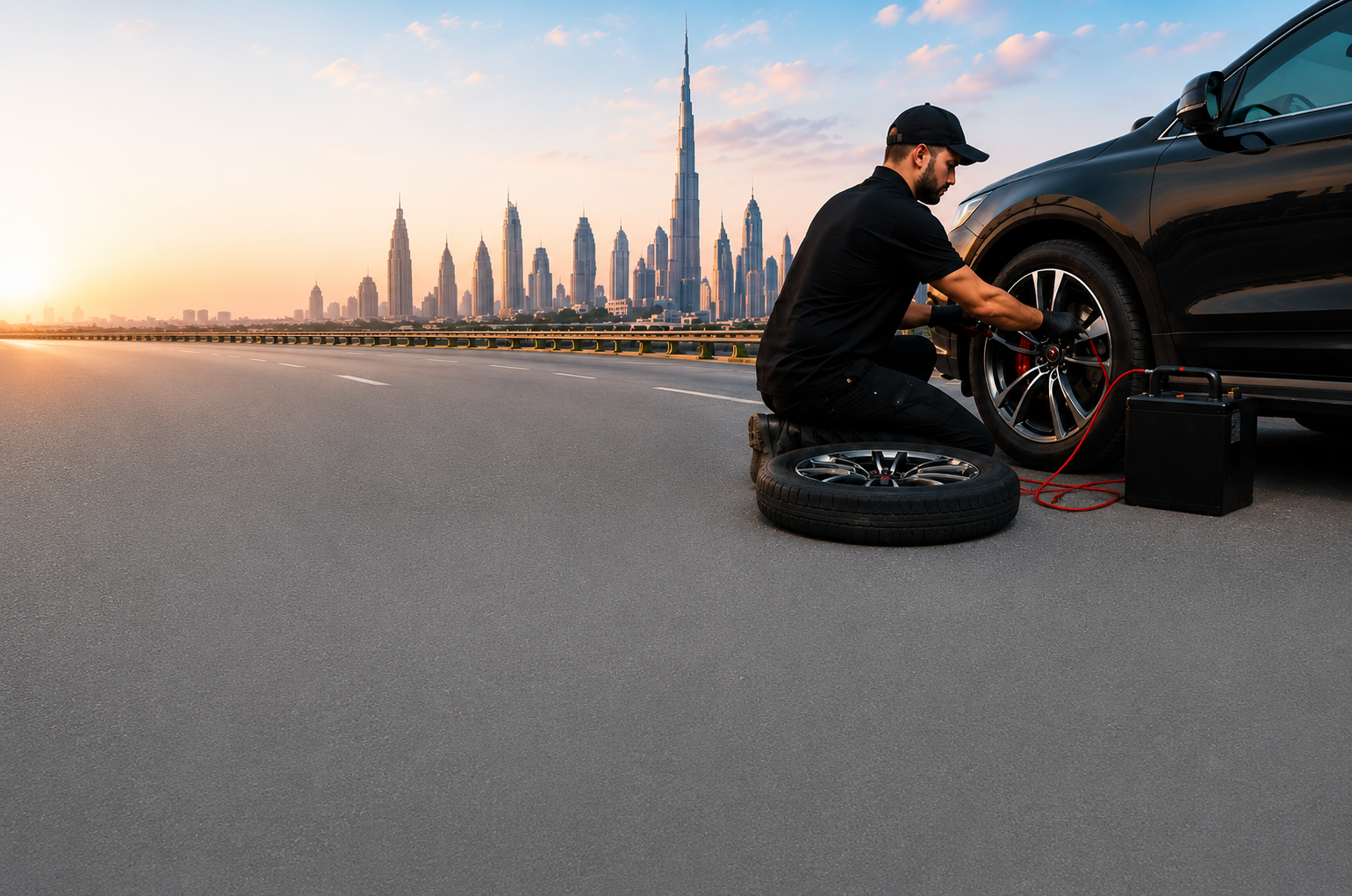
Fast Mobile Tyre Help Across the UAE — 15–20 Minute Response
95 Services reaches you in 15–20 minutes, anywhere in the complete UAE — day or night, 24 hours a day. Our mobile tyre service comes to your location: no towing, no waiting at a workshop. Prices are kept very low, and the scope and price are confirmed before work begins. Call or WhatsApp +971 54 344 3513 now and help is on the way.
We cover Dubai, Sharjah, Abu Dhabi, Ajman, Fujairah, Ras Al Khaimah and Umm Al Quwain. Wherever you are in the UAE, one call brings help to your location.
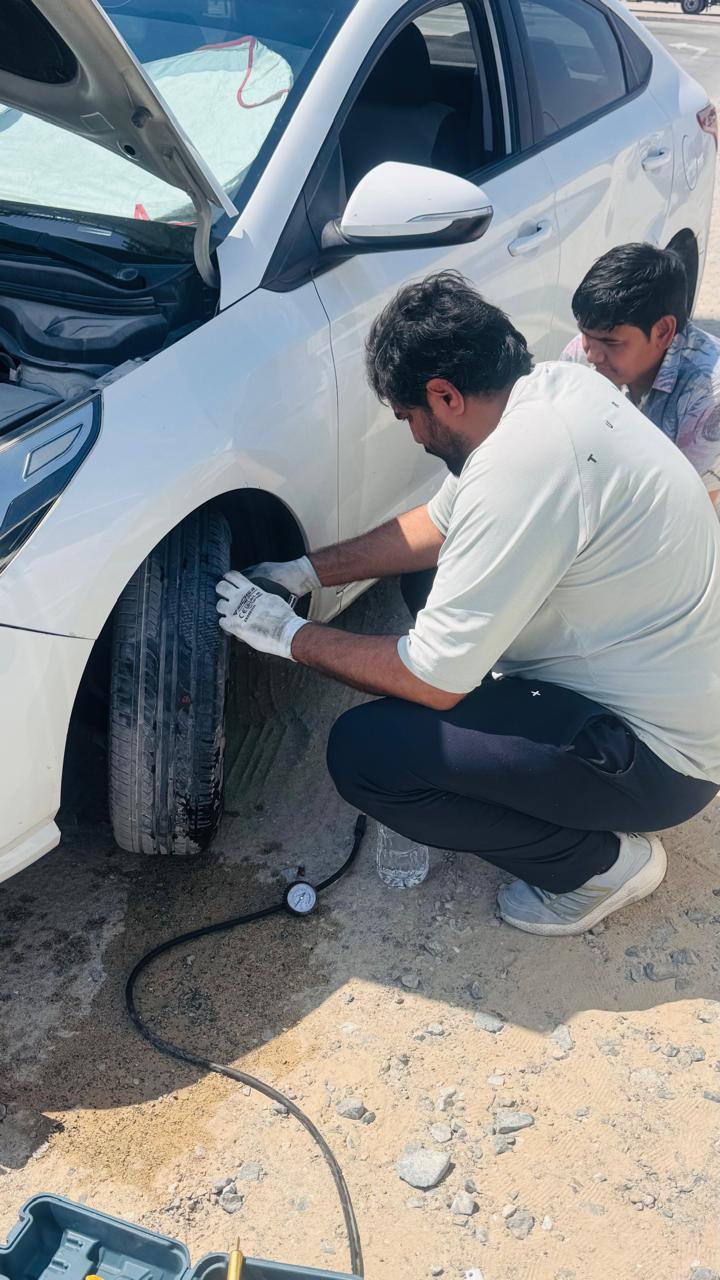
Fast Mobile Tyre Repair & Replacement Wherever You Are
A flat tyre or sudden puncture can leave you stranded at the worst possible time. Waiting for towing services or searching for a nearby garage wastes time and adds unnecessary stress, especially on busy Dubai roads or highways.
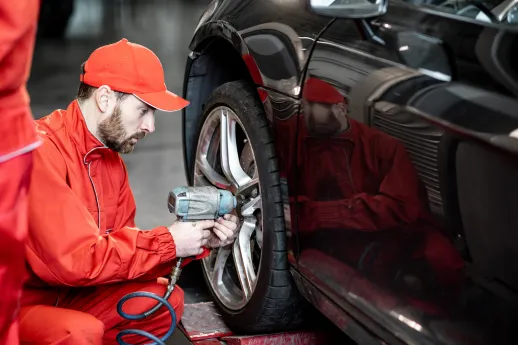
95 Services provides fast roadside tyre assistance directly at your location anywhere in Dubai. Our mobile technicians arrive equipped to handle puncture repairs, tyre replacement, spare tyre fitting, air refill, and roadside tyre issues without needing to tow your vehicle.
We focus on getting you safely back on the road quickly with reliable service, fast response times, and 24/7 roadside support across Dubai.
car repair and maintenance services are also available across Dubai.
Our Roadside Tyre Services
95 Services provides fast mobile tyre repair and roadside assistance across Dubai for all common tyre-related emergencies.
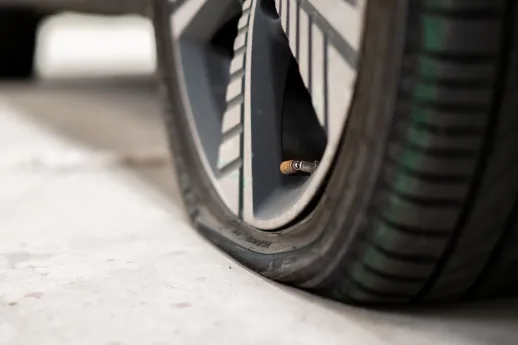
Flat Tyre Repair
Quick roadside repair for damaged or flat tyres to help you continue your journey safely. For a step-by-step walkthrough, see our flat tyre repair guide.
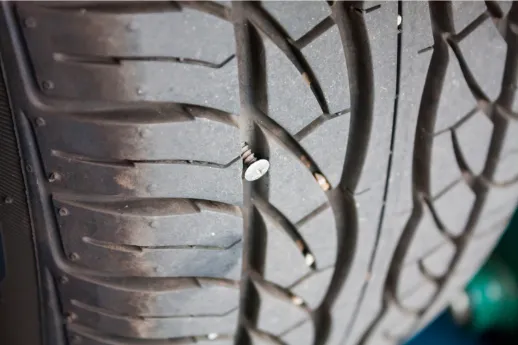
Puncture Tyre Repair
Professional puncture fixing service for leaking or damaged tyres directly at your location in Dubai. See our tyre puncture repair cost guide for details.
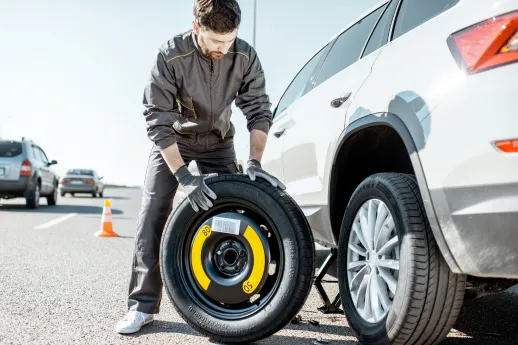
Spare Tyre Replacement
Fast spare tyre installation for cars stranded due to sudden tyre damage or blowouts.
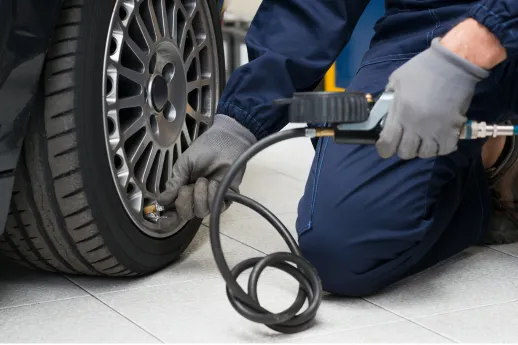
Air Refill Service
Tyre pressure checking and air refill service for safer and smoother driving performance.
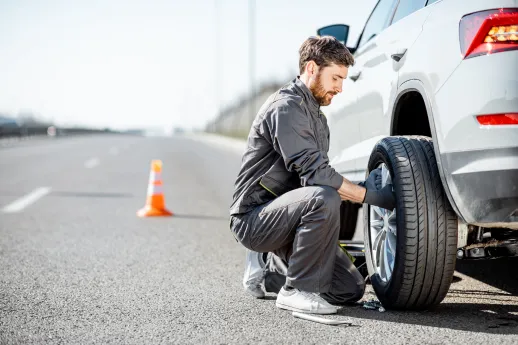
Mobile Tyre Replacement
On-site tyre replacement service at your home, office, parking, or roadside location across Dubai.
What Customers Say About 95 Services
We focus on arriving quickly, solving the problem properly, and helping drivers continue safely without unnecessary delays.
How Mobile Tyre Repair Works in Dubai
Getting roadside tyre assistance in Dubai should be simple, fast, and stress-free. Our process is designed to help you get back on the road without unnecessary waiting or confusion.
Contact Our Team
Call or WhatsApp us with your location and tyre issue details anywhere in Dubai.
Technician Dispatch
Our mobile tyre technician heads directly to your location with the required tools and equipment.
On-Site Tyre Assistance
We repair, replace, or inspect the tyre on-site so you can continue driving safely again.
Ready to Get Back on the Road?
Fast mobile tyre repair and roadside assistance available anywhere in Dubai, day or night.
Tyre Puncture Repair Cost in Dubai — What You Actually Pay For
Most of the confusion around tyre repair prices comes from a single “from” figure that hides three separate charges. Once you know what those three are, any quote becomes much easier to judge — and you can tell the difference between a genuinely good price and a cheap figure that leaves half the job out.
The three charges in every quote
Almost every tyre bill is made up of the same three parts. First, the call-out: getting the technician and the van to your car. Second, the repair itself: finding the leak, taking the tyre off the rim, inspecting it from the inside, and fitting the repair. Third, a replacement tyre, if the damaged one cannot be saved. The question that matters is which of the three are included in the figure you were given. A mobile price that covers the call-out, the leak search, an internal repair, rebalancing, and inflation is a very different offer from a workshop price that covers only the repair at the counter. Before you agree to anything, ask directly: does that price include the call-out, and does it include rebalancing?
At 95 Services, inspection comes first and the scope and price are confirmed before any work begins. You hear what the tyre needs, what it will involve, and what it will cost — and nothing starts until you agree. Prices are kept very low, and there are no surprises on the bill afterwards.
Workshop repair or mobile repair — what each price covers
A workshop repair is usually the cheaper option when you can get the car there safely. You drive in, the tyre comes off, and the repair is done at the bench. A mobile repair costs more because the workshop comes to you: the van, the tools, and the technician travel to your home, office, or the roadside, and the repair is done where the car is standing. What the mobile price should cover is the call-out, the leak search, the internal repair, rebalancing, and inflation — the whole job, finished on the spot.
Some mobile vans fit a temporary plug or the spare at the roadside and leave the permanent repair for later. That is a fair approach when it is explained honestly, but ask what the permanent repair will cost before you agree, so you are not paying twice for one puncture.
What changes the price
- Tyre size and vehicle type. Larger tyres on SUVs and 4x4s cost more to repair and much more to replace than a small car tyre. The same puncture on a family sedan and a large SUV is not the same job.
- Repair method. An external plug pushed in from outside is the cheapest option — and on its own, it is not a permanent repair. An internal patch or plug-patch, fitted after the tyre is removed and inspected from the inside, costs more and is the repair that lasts. A quote that does not name the method has not told you what you are buying.
- Time of day. Some Dubai services add a night premium after late evening. Our team is open 24 hours with no change to the way we work, but if you are comparing quotes, ask whether a night premium applies before the van is dispatched.
- A second puncture on the same visit. If two tyres need attention at once, the second repair is usually cheaper than the first, because the call-out is already covered. Mention both punctures when you book.
- Replacement instead of repair. This is the biggest jump in price on any tyre bill. A replacement tyre, supplied and fitted, costs far more than even the best repair — which is exactly why the inspection matters. The honest question is never “which is cheaper?” but “is this tyre safely repairable?”
Five questions to ask before the van is dispatched
Five short questions prevent most billing surprises: is the call-out included, and is there a night premium? What repair method is this — an external plug or an internal patch? Does the price include tyre removal, internal inspection, and rebalancing? If the tyre cannot be repaired, what will the replacement cost? And what happens if the repair does not hold? A straight answer to all five is the sign of a service worth trusting.
Repair or Replace? How the Decision Is Made
The only way to know whether a puncture is repairable is to take the tyre off the rim and inspect it from the inside. Damage invisible from outside — especially if the car was driven while the tyre was flat or very low — can destroy the inner lining even when the hole looks small. That internal inspection is what separates a safe repair from a guess.
Inspection usually saves the tyre when the puncture is in the central tread area, the hole is small, the tyre still has legal tread depth, it has not been driven on flat, and there are no earlier repairs close by. In that case the inspection confirms a safe repair that costs a fraction of a replacement.
Inspection is wasted money when the outcome is already obvious: damage in the sidewall or shoulder, a large cut or hole, a tyre driven flat for any distance, visible cracking, very low tread, or several punctures close together. The tyre will be replaced, and paying for a repair attempt first only adds a charge to a bill that ends in replacement anyway.
There is a middle case worth knowing about: a tyre that is technically repairable but not worth repairing. An old tyre with cracking, one near the end of its tread life, or one already repaired before may accept a patch and still be the wrong call — the remaining life is short, and the next failure is only a matter of time. That is the “repair is possible, but replacement is the honest advice” case, and a good technician will say so plainly. If the tyre is replaced, it is also worth discussing wheel alignment and balancing, because uneven wear shortens a new tyre’s life.
One rule governs everything above: a permanent repair means internal inspection plus a patch or plug-patch fitted from the inside. An external rope plug on its own is a temporary measure to get you to a workshop, not a permanent fix. Never treat a roadside plug as a substitute for professional inspection.
Flat Tyre at the Roadside — What to Do First
It is morning, you are already late, and the car sits low on one corner. Or you are on the road and something feels off. Either way, a flat tyre is manageable if you slow down and take it in order. Two questions, one at a time: are you safe where you are, and is the tyre safe enough for a spare, a pump, or a short move — or should the car not move at all? Rush either decision and you risk extra damage.
Get somewhere safe, then stop properly
Ease off and pull away from moving traffic as soon as you safely can — a parking bay or a service road beats a narrow shoulder on a fast road. Once stopped: hazards on, parking brake on, engine off. If you carry a warning triangle and can place it safely, put it well behind the car. Get passengers away from the traffic side, and into the shade if there is any. Do not work on a slope, soft ground, or next to fast-moving traffic — if the spot feels unsafe, it is. Call for help instead.
Look before you touch anything
Walk round and look at all four tyres, not just the flat one: something stuck in the tread, a cut, a bulge, sidewall damage, a rim that looks bent or cracked. Is the tyre completely flat or only partly down? Which wheel is it? Knowing that helps a lot when you call for help. Two things not to do: do not pull out anything embedded in the tyre — it may be slowing the leak — and do not drive a few metres to “test” a flat tyre, especially if the rim is touching the ground. That short drive can finish off the tyre and the rim. If the sidewall is bulging, split, or deeply cut, treat the tyre as done.
Spare, pump, or call for help?
What you can do next depends on your car, your tools, and how bad the damage is. Some cars have a temporary spare, some a full-size spare, some just a repair kit. Your manual will tell you what is in your car and what limits apply — worth knowing before you are standing in a car park in August. As a rough rule: fit a spare only on flat, firm ground, with the right tools, if you are confident following the manual. Use an inflation kit only for a small tread leak, exactly as its instructions say. Call for help if the damage is bad, there is no usable spare, the nuts will not shift safely, or the location is not safe. There is no shame in that call — and our mobile team reaches you in 15–20 minutes, anywhere in the complete UAE.
If you fit the spare yourself
Stay on flat, stable ground. Crack the nuts loose before jacking, jack at the correct lifting point — the manual shows where, do not guess — fit the spare, tighten in a star pattern, lower the car, then tighten again. Drive gently, and get the damaged tyre looked at promptly. A temporary spare gets you home; it is not a long-term fix. If anything feels wrong — the car rocks on the jack, a nut will not move, the ground gives way — stop. Lower the car carefully if you safely can, and wait for professional help. Saving twenty minutes is not worth a car slipping off a jack.
When the car should not move at all
Some flats mean the car stays put. Do not drive, not even slowly, if the tyre is completely flat with the rim on the ground, or the sidewall is split, bulging, or deeply cut; if the rim is bent or cracked, or the car pulls hard or shakes badly; if the spare is flat, damaged, or missing, or the wheel nuts are seized; or if you are on a fast road, a slope, or soft ground where a safe change is not possible. In those cases, mobile help is safer. A technician can inspect the wheel where the car is and advise on spare fitting, repair, or replacement — or arrange car recovery if the car cannot be driven. When you call, share your location, vehicle details, and a plain description of the damage so the team arrives prepared.
After the spare is on, the job is not finished
A spare gets you to help — that is its job. Drive gently, keep the trip short, and get the damaged tyre inspected soon, inside, rim, and valve included. Ask about the other three tyres too; uneven wear or ageing rubber causes the same problem twice. And if you used a sealant kit, say so — it changes how the tyre needs checking. A flat spotted at home or work is no different: mobile support can come to you there, and help reaches you within 20 minutes.
What to keep in the boot
Nobody thinks about this until they need it. Keep these checked, and know where they are before the day you need them: a usable spare or approved repair kit, jack, wheel wrench, and locking wheel-nut key if your car has one; a pressure gauge, torch, gloves, warning triangle, and basic first-aid kit; the manual’s jacking points and spare limits, plus a roadside help number saved in your phone. Check the spare’s pressure along with the other tyres, replace missing tools promptly, and check sealant expiry dates — out-of-date sealant lets you down at the worst moment.
Blowout at Speed — What to Do, and What Not to Do
A blowout at speed is frightening, and the instinctive reactions are the dangerous ones. Do not brake hard and do not swerve. Grip the wheel firmly, ease off the accelerator, let the car slow gradually, keep it travelling straight, and steer gently to the hard shoulder or a safe stopping place once speed has fallen. Hard braking shifts weight onto the failed tyre and can cause loss of control; a sudden swerve does the same. Hazard lights go on as soon as the car is slowing safely.
Once stopped, the car stays put — a blown tyre is not driven on. Passengers move away from the traffic side, and the call goes in with the location and the situation. The most common blowout causes are under-inflation, which lets the tyre overheat until the structure fails; existing damage, such as a cut or bulge that finally lets go; and old age, where rubber has hardened and cracked. All three are preventable with the monthly inspection habits below — which is why a blowout should always prompt a check of the remaining tyres, not just replacement of the failed one.
TPMS and Run-Flat Tyres — Two Things Newer Cars Add
The tyre pressure monitoring system, TPMS, warns when a tyre’s pressure falls well below specification — and drivers ignore it more than any other dashboard light. That is a mistake: the light means a tyre is already low enough to overheat, wear unevenly, and risk failure, and it often appears before the low tyre is visible. When the light appears, check all four pressures promptly, inflate to specification, and look for the cause — a slow puncture, a leaking valve, or a damaged rim seal. If the light returns after inflation, there is a leak, and it needs finding.
TPMS sensors themselves need attention too. They have batteries that eventually fail, and a sensor fault shows as a flashing light or a system warning rather than a pressure warning. A sensor replaced during tyre fitting needs programming or relearning to the vehicle, depending on the system. After any repair or replacement, ask the technician to confirm the warning light clears before you leave.
Run-flat tyres add their own rule. They are designed to be driven a short distance after a puncture, but that does not mean they are repairable afterwards. Driving on a run-flat at low or zero pressure can damage the reinforced sidewall invisibly, and many manufacturers and tyre makers do not permit repair of a run-flat driven flat. Say so when you call, and mention it again to the technician — a damaged sensor or a failed sensor battery is a separate cost from the tyre itself.
Choosing Replacement Tyres
When a tyre must be replaced, the replacement must match: the correct size, load index, and speed rating for the vehicle, as specified by the manufacturer. Fitting a tyre with a lower load or speed rating than specified is unsafe, however cheap it is. Matching matters across the axle too: tyres on the same axle should match in type, size, and ideally tread pattern and wear, because mismatched tyres brake and handle unevenly. Replacing one tyre with a very different one from its partner creates a car that pulls, brakes unevenly, and wears the new tyre faster.
You should be told what is fitted and why: the size, the rating, and whether the partner tyre also needs attention. A new tyre fitted beside a worn, aged partner is a partial fix, and you deserve to hear that plainly. The same applies to mixing tyre types — summer, all-season, and performance tyres behave differently, and mixing them across an axle is a compromise that should be explained, not hidden. For a fuller walkthrough of sizes, ratings, and brands, see our guide on how to choose tyres in Dubai.
Tyre Inspection: Tread, Age, Cracking and Pressure
Four checks, done monthly, prevent most tyre failures. Tread depth: the legal and safety minimum matters, but in wet conditions deeper tread clears water better — worn tyres aquaplane sooner and brake longer. Tread wear patterns tell stories too: wear on both edges means under-inflation, wear in the centre means over-inflation, and wear on one edge means an alignment problem. Age: tyres degrade with time regardless of tread, and a tyre over five or six years old deserves professional assessment even if it looks fine — check the date code on the sidewall. Cracking: fine cracks in the sidewall or between tread blocks mean the rubber is ageing and the tyre’s strength is falling. Pressure: checked cold, monthly, against the manufacturer’s specification on the door jamb or fuel flap — not the maximum printed on the tyre sidewall, which is a different number. Our guide to tyre age and the DOT code explains how to read the date on your tyres.
Dubai’s heat accelerates all four. Hot roads, high ambient temperatures, and strong sunlight age rubber faster, raise pressures as tyres heat up in use, and punish under-inflation more severely. The monthly check takes five minutes and prevents the failures that strand cars.
Wheel Alignment After Tyre Work
New tyres fitted onto misaligned wheels wear out fast and unevenly — which is why alignment is part of the tyre conversation, not a separate subject. A kerb strike, a pothole, or worn suspension components knock the wheels out of alignment, and the signs are uneven wear on one edge, a steering wheel that sits off-centre, or a car that pulls to one side on a straight road. Alignment is workshop work, needing a ramp and alignment equipment, but the check that reveals the need for it happens during any tyre visit: the wear pattern on the old tyres tells the story.
When alignment is recommended, it should be done promptly, before the new tyres wear into the same uneven pattern. The cost of alignment is small beside the cost of a set of tyres worn out early, and a car that tracks straight, steers true, and brakes evenly is safer in every situation. If a tyre visit finds uneven wear, you will hear about it and the recommendation will be explained — the decision is yours, on evidence. See our wheel alignment service in Dubai for the full check.
Before You Drive Away — the Final Checks
Before the car leaves, five checks close the job. Pressure: every tyre, including the repaired or replaced one, set to specification cold. Torque: wheel nuts tightened to the correct torque in the correct sequence — over-tightening damages studs, under-tightening risks a loose wheel. Valve: the valve checked for leaks, with a cap fitted. Inspection: the remaining tyres checked for the damage and wear covered above, with findings explained. And the spare: returned to its place properly secured, with its state noted. You should leave knowing what was done, what was found, and what needs attention next — including whether wheel alignment or a workshop visit is recommended.
Whether your tyre is flat, punctured, blown, or simply due for a check, the first step is one call. Call or WhatsApp 95 Services on +971 54 344 3513 with your location, vehicle details, and what happened — help reaches you in 15–20 minutes, anywhere in the complete UAE, open 24 hours. Inspection comes first, the scope and price are confirmed before any work begins, and prices are kept very low.
Why Drivers Choose 95 Services
We focus on practical roadside tyre assistance with quick response, professional handling, and reliable support across Dubai.
24/7 Roadside Support
Our team stays available day and night for emergency tyre issues anywhere across Dubai roads.
Fast Response Times
Mobile technicians are dispatched quickly to reduce waiting time during roadside tyre emergencies in Dubai.
Mobile Repair Service
We repair or replace tyres directly at your location without requiring towing or workshop visits.
Experienced Technicians
Skilled roadside technicians handle punctures, flat tyres, replacements, and inspections carefully and professionally every time.
Clear Service Pricing
Straightforward pricing without hidden charges, unnecessary upselling, or confusing roadside service costs for customers.
Service Across Dubai
Roadside tyre assistance available across residential areas, highways, offices, parking locations, and Dubai communities.
Slow Leak or Fast Flat? How to Tell What You Are Dealing With
Not every puncture announces itself the same way. A fast leak is obvious — the tyre goes down in minutes, the car pulls to one side, and you can hear it. A slow leak is sneakier: the same tyre looks a little low in the morning, needs air more often than the others, and the car drifts slightly or the steering feels heavier than usual. A soft thumping that speeds up with the car is another early sign. Catching a slow leak early matters, because a tyre driven for days while low can suffer internal damage that turns a simple repair into a replacement.
And not every loss of air is a puncture at all. A faulty valve, a damaged valve cap, or a poor seal where the tyre meets the rim can all let air out slowly, with no hole in the tread. That is why a proper check looks at the tread, the sidewall, the valve, and the rim edge — not just the obvious spot. If the pressure keeps dropping after a top-up, something is leaking, and it needs finding rather than another refill.
Choosing Mobile Tyre Help When You Search "Near Me"
Typing "puncture shop near me" gives plenty of results, but the closest one is not always the best — especially when you need someone to come to you. Before you decide, check four things. First, whether they offer mobile help at your exact location, and what their inspection actually includes. Second, whether they will explain the repair-or-replace decision before starting work, rather than after. Third, whether they cover your vehicle type, including spare fitting if that is what you need. And fourth, whether they are straight with you about availability and what happens next if the tyre cannot be repaired on the spot.
Ask what the inspection covers and what happens if repair is not possible — before any work starts, not after. A clear answer to that question tells you more about a service than any claim about speed. Our team explains the findings first, confirms the scope and price before work begins, and reaches you in 15–20 minutes, anywhere in the complete UAE, open 24 hours — call or WhatsApp +971 54 344 3513.
Get More Than Tyres Done in One Visit
Most cars need more than one thing at a time. A tyre that needs attention, a small repair that has been waiting, and an interior that has seen better days often arrive together — and dealt with separately, each one means another trip and another wait. A combined mobile visit turns those separate jobs into one: one call, one arrival, and the tyre work, the repair work, and the detailing done together at your location, while you get on with your day.
The visit is planned around what your car actually needs, not a fixed package, so it can be any pairing — tyres and detailing, repair and detailing, tyres and repair — or all three together. It suits busy drivers who cannot spare a separate day for each job, families whose cars carry children and school runs, households with more than one car, and anyone preparing for a long drive to another emirate.
Combined visits also suit drivers who have been putting jobs off. A small repair, a tyre that needs a look, and an interior that needs attention can each feel too small to act on alone, and together they can feel like too much to arrange. One call, one visit, and one plan turns the list into a single morning or afternoon, and the car comes out of it looked after rather than half-done.
How the Work Is Ordered
Order matters. The checks come first, because they can change the plan — a problem found during the checks may need attention before anything else, or may mean a job needs the workshop instead. The mechanical work comes next, because it can be messy, and there is no sense in cleaning a car that is about to have work done on it. The detailing comes last, so the car is finished clean and the final checks happen on a car that looks as good as it drives. The technician will explain the order before starting, and adapt it to your car and your priorities.
What a Combined Visit Can Cover — and What It Cannot
A combined visit covers the work that can be done properly at your location: tyre checks and repairs, battery testing and replacement, minor repairs, and the maintenance jobs drivers keep putting off, such as an oil change. Our car repair and maintenance service and mobile battery replacement explain those services in full, and car detailing covers the cleaning side.
Some work honestly belongs in the workshop: anything needing the car raised on a ramp, workshop-only tools, deep diagnosis under controlled conditions, or bodywork and accident repair. When a job on your list needs the workshop, the technician will say so during the checks, explain why, and arrange the next step — including car recovery if the car should not be driven. The rest of the visit still goes ahead, and the workshop job is planned as the follow-up.
Getting Your Space Ready
A mobile visit happens at your location, so a little preparation helps it run smoothly. The car needs room around it for the technician to work — doors and bonnet open, space to move on all sides. A parking space, a driveway, or a quiet stretch of street all work; if the car is in a tight underground space, say so on the call. Clear the car of personal items before the visit so every area can be reached, have the keys ready, and arrange access in advance if you are in a gated community. If detailing is part of the visit, the technician will confirm what is needed, such as access to water and power, and will work with what is available.
If Your List Is Long, Prioritise This Way
Safety-related work comes first: tyres, brakes, steering, and anything that affects how the car drives. Reliability work comes next: the battery, the cooling system, and anything that could leave you stranded. Comfort and appearance work — the detailing and the interior clean — comes last in order, but it is no less part of the visit. If you are unsure, the technician will suggest an order and explain the reasoning, so the visit reflects what the car needs most rather than what happens to be noticed first.
Tyre Puncture Repair in Dubai — FAQs
How quickly can your team reach my location in Dubai?
Response times depend on your location and traffic conditions, but our team aims to arrive quickly across Dubai.
Do you provide tyre repair services at night?
Yes, 95 Services provides 24/7 roadside tyre assistance throughout Dubai, including nights, weekends, and holidays.
Can you repair punctured tyres on-site?
Yes, our mobile technicians repair many common punctures directly at your location whenever safely possible.
What happens if the tyre cannot be repaired?
If repair is not possible, we can help with spare tyre replacement or tyre replacement assistance.
Do you only work with cars?
No, we also assist with SUVs and selected other vehicles depending on the roadside tyre issue.
Do I need to tow my vehicle to a garage?
No, our mobile roadside service comes directly to your location anywhere across Dubai.
What payment methods do you accept?
We accept both cash and card payments for roadside tyre repair and replacement services.
How can I contact 95 Services quickly?
You can contact us anytime through WhatsApp or direct phone call for immediate roadside assistance.
Is the call-out fee separate from the repair, or included?
It depends on the service. Some bundle the call-out into the mobile price; others quote them separately. Always ask for the total first, and confirm whether rebalancing and inflation are included.
Does a cheap plug repair count as a permanent fix?
No. An external rope plug is a temporary measure to get you to a workshop. A permanent repair means the tyre is removed, inspected from the inside, and fitted with a patch or plug-patch.
Why might a repairable tyre still be better replaced?
Repair restores the hole, not the tyre’s remaining life. An old tyre with cracking, tread near the legal limit, or prior repairs nearby may accept a patch but have little safe life left. In that case replacement is the honest advice.
Can I drive a short distance on a flat tyre?
Not if it is fully flat or the rim is on the ground — even a very short drive can ruin the rim and the tyre. Stop safely, fit a spare if it is safe to do so, or call for help.
How far can I drive on a temporary spare?
Whatever your manual says for speed and distance. Temporary spares are for short, gentle trips to reach help. Get the original tyre checked promptly.
What if my car has no spare wheel?
Many newer cars carry a repair kit or run-flat tyres instead. Use the kit only as instructed, for small tread leaks. For bigger damage, sidewall damage, or a failed run-flat, call for help.
Is a sealant kit a permanent fix?
No — it is temporary, to get you to help. Tell whoever inspects the tyre that you used it, because it changes how the tyre needs checking.
How often should I check my tyre pressures?
Monthly, when the tyres are cold, against the manufacturer’s specification. Check the spare at the same time. Dubai heat makes regular checks more important, not less.
What causes a tyre blowout?
Most often under-inflation causing overheating, existing damage such as a cut or bulge, or old age hardening the rubber. Monthly inspection of tread, age, cracking, and pressure prevents most blowouts.
What should I tell the team when I call?
Your location — a live location pin sent by phone is best, especially on a highway or in a large car park — the car’s make, model, and year, which tyre is affected, and whether it is flat or losing air slowly. A photo of the damage helps too, if it is safe to take one.
Can tyre work be combined with other jobs in one visit?
Yes. Tyre work, minor repairs, and detailing can be done in one mobile visit: checks first, mechanical work second, detailing last. Work that needs a workshop is arranged honestly as a follow-up instead of being forced into the visit.
Do I need to prepare anything before the technician arrives?
Just the basics: space around the car to work in, personal items cleared out, keys ready, and access arranged if you are in a gated community. If detailing is included, the technician will confirm access to water and power on the call.
Need Fast Tyre Assistance in Dubai?
95 Services is ready to help with mobile tyre repair and roadside support anytime across Dubai.
95 Services
95 Services provides fast, reliable, and professional mobile tyre assistance across Dubai with experienced technicians ready to help drivers get back on the road safely without unnecessary delays.
- +971 54 344 3513
- info@95services.com
- Abu hail Al khabaisi Building: Ahmed Ali Al Owais Showroom Office No M05 Dubai, UAE


 Trustindex verifies that the original source of the review is Google.
 Trustindex verifies that the original source of the review is Google.
 Trustindex verifies that the original source of the review is Google.
 Trustindex verifies that the original source of the review is Google.
 Trustindex verifies that the original source of the review is Google.
What Our Customers Say on Google
Real reviews from Google — rated 4.9 out of 5 from 26 reviews.