
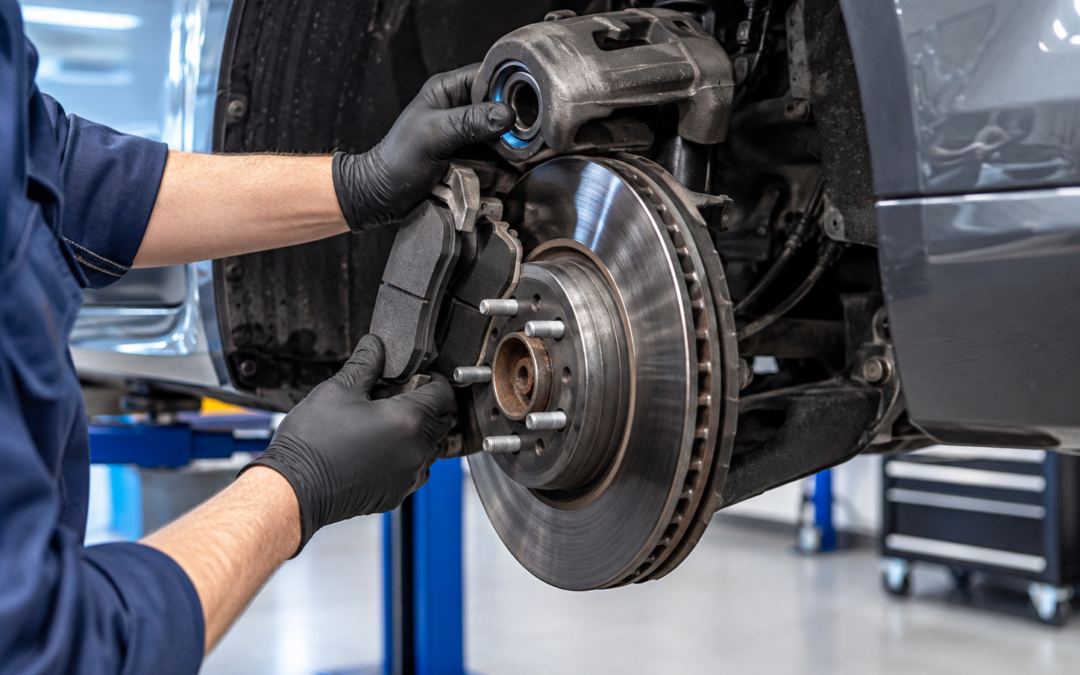
Brakes are one of those things you barely think about until something changes. A faint squeak when you slow down for a junction, a pedal that feels a little softer than usual, a slight tremble through the steering wheel as you brake — none of it feels dramatic, and the car still stops, so it is tempting to leave it for another day. But brakes give warnings for a reason, and the earlier you notice them, the simpler the fix usually is. This guide explains brakes in plain language, so you know what is normal, what deserves a closer look, and what should never wait.
You do not need to become an expert. You just need to know how the main parts work together, which signs point to which problem, what a proper inspection covers, and how Dubai driving puts its own strain on the system. If anything here sounds familiar, get the brakes checked by someone who can look, test and explain first. For the service itself, see car brake repair in Dubai.
How Your Brakes Actually Work
When you press the brake pedal, you are not directly squeezing the wheels. You push fluid through sealed lines, and that fluid pressure does the hard work at each wheel. The pedal pressurises the fluid, the fluid travels through pipes and flexible hoses, and at each wheel a caliper squeezes pads against a disc. The friction between pad and disc slows the wheel, and the energy of motion turns into heat. Release the pedal and the pressure drops, the pads ease off, and the wheel turns freely again. Every link in that chain matters: pedal, fluid, lines, caliper, pads and discs all have to be in good shape for the car to slow smoothly.
Brake pads and discs
The disc is the flat metal plate you can sometimes see behind the wheel spokes, and the pads sit on either side of it. Press the pedal and the pads clamp the disc; the grip between them is what slows the car. Pads are designed to wear down gradually — they are the wearing part of the system, and that is normal. Discs wear more slowly, and their surfaces need to stay smooth and even. When pads wear thin, or a disc surface becomes scored or uneven, you feel it and hear it: noise, vibration, or a pedal that just does not feel right.
Calipers
The caliper is the clamp that holds the pads and squeezes them against the disc. Pistons inside it move out under fluid pressure, press the pads into contact, then ease back when you release the pedal. Calipers must also slide freely so both pads press evenly. If one sticks, a pad can drag, causing pulling, uneven wear and extra heat. A sticking caliper is not always noisy, which is why inspection looks at how evenly pads have worn.
Brake fluid and lines
Brake fluid is the messenger of the whole system, carrying your foot pressure from the pedal to every wheel without compressing. It runs through metal pipes and flexible hoses near each wheel that allow for steering and suspension movement. Over time fluid can absorb moisture, which makes it cope less well with heat. Lines and hoses can corrode, crack or weep, and a leak lets pressure escape — felt straight away as a soft pedal.
Warning Signs Worth Listening To
Brakes rarely fail without warning. They talk first — in sounds, in feel, in the way the car behaves. Learning the common signs helps you describe the problem clearly when you call, and helps you judge whether it needs attention straight away. Each sign points in a direction, and a technician confirms the cause by looking and testing.
Squeaking, squealing or grinding
A light squeak can be dust or surface moisture and sometimes clears after a few stops. A steady, high-pitched squeal every time you brake usually suggests worn pads. Grinding is different: a harsh, metallic scraping sound suggests pad material is gone and metal is meeting metal, and it damages the disc with every stop. If a new noise appears and stays, get the pads and discs inspected.
Vibration or shaking when braking
If the steering wheel shudders, or you feel pulsing through the pedal as you slow down, the disc surfaces are the usual suspect. An uneven disc makes the pads grip and release in a rhythm, and you feel that rhythm as vibration — often more clearly when braking from higher speed. It needs a hands-on check rather than an assumption.
A soft, spongy or sinking pedal
The pedal should feel firm and consistent, stopping at roughly the same point each time. A pedal that feels soft or spongy, sinks slowly under steady pressure, or needs pumping to feel normal suggests a problem with fluid pressure — air in the lines, a leak, or a fault in the parts that build pressure. Take it seriously: if the pedal suddenly feels very different, do not keep driving and hope it settles.
The car pulling to one side
If the car tugs to one side when you brake, braking force is uneven across the car. A sticking caliper, uneven pad wear, a hose problem or contamination on one side can all cause it. Pulling can also come from tyre pressures or alignment, so the check looks at the whole picture. A clear, repeated pull every time you brake should be inspected.
A warning light on the dashboard
The brake warning light can mean several things: the parking brake is still partly on, fluid level is low, pads are worn, or the system has detected a fault. A light that stays on deserves a prompt check, even if the car feels normal. A light that appears with a soft pedal or a leak should be treated as urgent. Note when it appears and pass that on when you call.
What a Proper Brake Inspection Checks
A proper inspection is hands-on and unhurried. It starts with what you have noticed and when it started. Then the car is looked at properly, with wheels off where needed, so pads, discs, calipers, hoses and lines can actually be seen. Pads are judged by eye and by feel, discs are checked for scoring and uneven wear, calipers are checked for free movement and leaks, and lines and hoses are checked for corrosion and dampness. The fluid reservoir and the parking brake are checked too.
The inspection also includes how the car feels: a short drive, where safe, shows up vibration, pulling, noise and pedal feel. Findings are explained in plain language, and the scope and price are confirmed before anything is taken apart. That order — listen, look, test, explain, agree — is what separates a proper inspection from a quick glance.

Pads, Discs and Fluid: What Servicing Really Means
Brake servicing comes down to three areas: the parts that create friction, the surfaces they press against, and the fluid that carries the force. Each wears or ages in its own way, and each is judged on condition, not on a calendar. A service visit looks at all three together, because new pads on a damaged disc, or fresh pads with tired fluid, is only half a job.
Brake pads
Pad work means removing the old pads, cleaning the caliper and the surfaces the pads sit against, checking that everything slides freely, and fitting pads suited to the car. The assembly is checked for sticking before the new pads go in, and the brakes are tested for feel and noise afterwards. Pads wear at different rates, so the right time to change them is when inspection shows they are worn.

Brake discs
Disc work depends on what inspection finds. A smooth, even disc may need nothing more than cleaning and a check. A scored or uneven disc may need attention or replacement, judged against the standard for that car. Discs are always considered as a pair across an axle, because mismatched surfaces brake unevenly. New discs are fitted cleanly and the brakes are tested before handover.
Brake fluid
Fluid work means checking the level and condition, looking for leaks, and replacing the fluid when inspection shows it is needed. Replacing fluid is not just topping up: old fluid is bled through from each wheel until fresh fluid runs through, and air is kept out throughout. Topping up without finding why the level is low only hides the problem. Fluid work is best left to a technician.

Dubai Driving: Heat, Dust, Traffic and Motorways
Dubai is kind to cars in some ways and hard on brakes in others. The climate and driving patterns shape how brakes wear, and understanding them helps you read the signs earlier. The conditions ask a bit more of brakes, and a bit more attention pays off.
Heat
Summer heat in Dubai is relentless, and brakes make their own heat on top of it. Every stop turns motion into heat at the pads and discs, and in hot weather that heat has less chance to escape between stops. Fluid that has absorbed moisture copes less well with sustained heat, and worn parts feel the strain sooner. Parking in shade and braking gently where you can both help.
Sand and dust
Fine sand and dust get everywhere in Dubai, including around wheels and brakes. Dust settles on discs and pads, and grit can add to squeaking and wear. After dusty weather, a light squeak that clears after a few stops is often just debris working its way off — persistent noise or a gritty feel deserves a look. Washing wheels and visible brake parts with plain water helps, but avoid strong jets on seals and hoses.
Stop-start traffic
Much of Dubai driving is stop-start: junctions, roundabouts, school runs and slow-moving traffic. That means many gentle stops in a short time, which wears pads steadily without the cooling airflow of open-road driving. Wear creeps up quietly, and the first sign is often noise. Looking ahead and easing off early, so the car slows gradually, reduces wear and smooths the drive for everyone behind you.
Motorway driving and driving habits
Motorway driving asks the opposite: long stretches with little braking, then firm braking from speed at exits and sudden slowdowns. That is when vibration from an uneven disc shows up most clearly. Habits matter too: resting a foot on the pedal, even lightly, keeps the pads dragging and builds heat and wear for no reason. Leaving a generous gap and braking smoothly and early gives the system an easier life.
When to Act Straight Away
Most brake problems give you time to book a check. A few do not. Act straight away — and do not keep driving — if the pedal suddenly sinks, if fluid is leaking near a wheel, if grinding is loud and constant, if the car pulls sharply under braking, or if the warning light comes on with a change in pedal feel. Pull over safely, switch on the hazards, and call for help. Brakes are safety-critical: when the system that slows the car is clearly unhappy, stop using it and get it checked. Help is available across the complete UAE.
Small Habits That Look After Your Brakes
Looking after brakes is mostly about noticing. Listen for new sounds, feel for changes in the pedal, and glance at the wheels for obvious leaks or damage. Build a brake check into your regular service routine, and ask for pads, discs, fluid and lines to be looked at properly. Do not ignore a small change in the hope it goes away — small changes are the cheapest to sort out. For wider upkeep, see the best car maintenance tips for Dubai drivers.
After any brake work, pay attention on the first few drives. The pedal should feel firm and the car should slow evenly, without new noises or pulling. If anything feels off, say so straight away rather than waiting for it to settle — a quick second look costs little and keeps small issues small. Keeping a note of what was done and when also helps at the next visit, because the technician can see the history at a glance.
How It Works: From Your Call to Brakes Sorted
Every brake job follows the same calm sequence. First, the call: phone or WhatsApp with the location, the car details, and what you have noticed. Second, the response: help dispatched within the 15–20 minute standard, anywhere in the complete UAE. Third, inspection: the brakes looked at, tested and explained in plain language. Fourth, the quote: scope and price confirmed before work begins, with no work starting without your approval. Fifth, the work and the check: the agreed work completed, the brakes tested, and the car handed back with an explanation of what was done. Prices stay very low throughout, and the service is open 24 hours. For wider repair needs alongside brakes, see car repair in Dubai.
Frequently Asked Questions
My brakes squeak — does that always mean new pads?
Not always. Light squeaking can be dust or surface moisture and may clear after a few stops. A steady squeal every time you brake usually suggests worn pads, and grinding is more urgent. An inspection of the pads and discs gives the real answer.
Why does the steering wheel shake when I brake?
Vibration when braking often points to uneven disc surfaces, and it usually shows up more when braking from speed. Other parts of the car can cause vibration too, so it needs a hands-on check of the discs and pads.
What does a soft or spongy pedal mean?
It suggests the system is not holding fluid pressure properly — air in the lines, a leak, or a fault in the pressure side of the system can all cause it. If the pedal feels suddenly different, do not keep driving. Get it checked straight away.
Is it safe to drive with the brake warning light on?
Get it checked promptly, even if the car feels normal. The light can mean low fluid, worn pads, or a detected fault. If it appears with a soft pedal or a leak, treat it as urgent and call for help instead of driving on.
How fast can help reach me?
The response time is 15–20 minutes. Call or WhatsApp +971 54 344 3513 with a live location, car details, and what you have noticed, and help is dispatched to reach you within 20 minutes, anywhere in the UAE. The service is open 24 hours.
Are 95 Services prices low?
Yes — service prices are kept very low as a matter of policy. Inspection comes first, and the scope and price are confirmed before work begins, with no work starting without the customer's approval.
Contact 95 Services: Car Brake Repair Across the UAE
If your brakes sound different, feel different, or just deserve a proper look, the next step is one call. Contact 95 Services on +971 54 344 3513 by phone or WhatsApp, or email info@95services.com, with the location, car details, and what you have noticed. Help is dispatched within the 15–20 minute response standard, prices stay very low, and the quote is confirmed before any work begins. The service is open 24 hours, across the complete UAE. The office is at Ahmed Ali Al Owais Showroom Building, Office M05, Abu Hail, Al Khabaisi, Dubai, UAE. Call before visiting so the correct service arrangement can be confirmed. Or visit the contact page to send an enquiry.
