
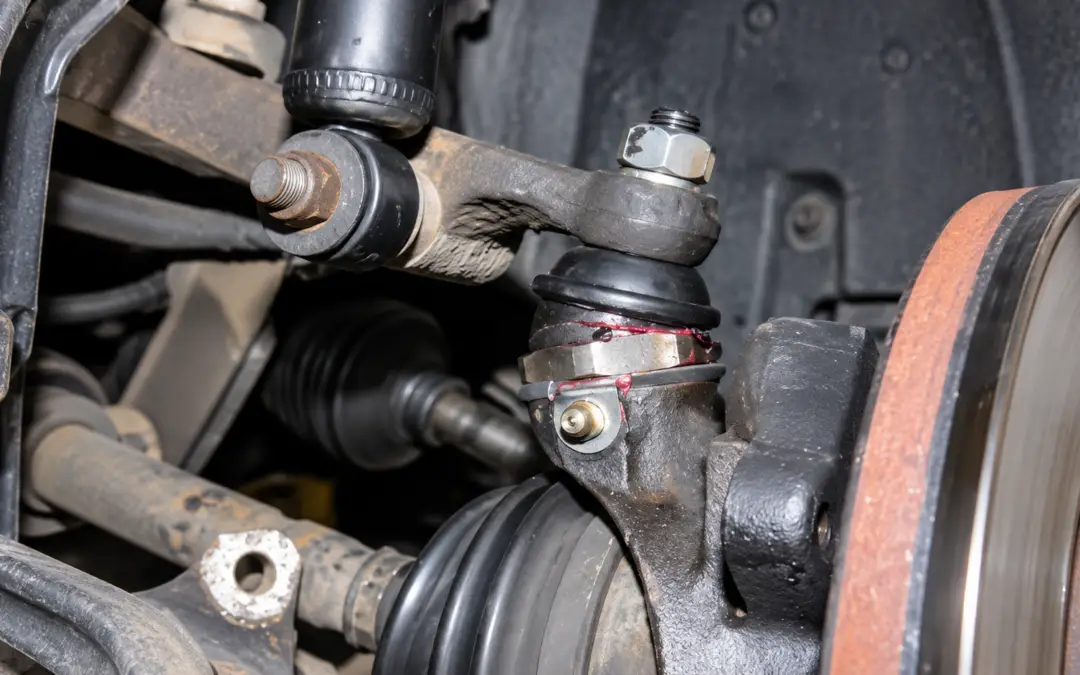
Hydraulic equipment does the heavy work that nothing else can: lifting, pressing, steering, braking, and moving loads that would defeat any purely mechanical system. When a cylinder drifts, a pump whines, a motor loses power, or a valve sticks, the machine it serves stops earning — whether that machine is a truck, a forklift, a workshop lift, or an industrial press. Hydraulic failures are rarely sudden mysteries; they announce themselves in drift, heat, noise, and leaks, and each symptom points at a specific component.
This article explains the four main hydraulic components — cylinders, pumps, motors, and valves — how each fails, how each is repaired and tested, why contamination causes most failures, and how repair decisions are made, so equipment owners know what should happen before anyone opens a fitting.
How a Hydraulic System Works — the Four Components
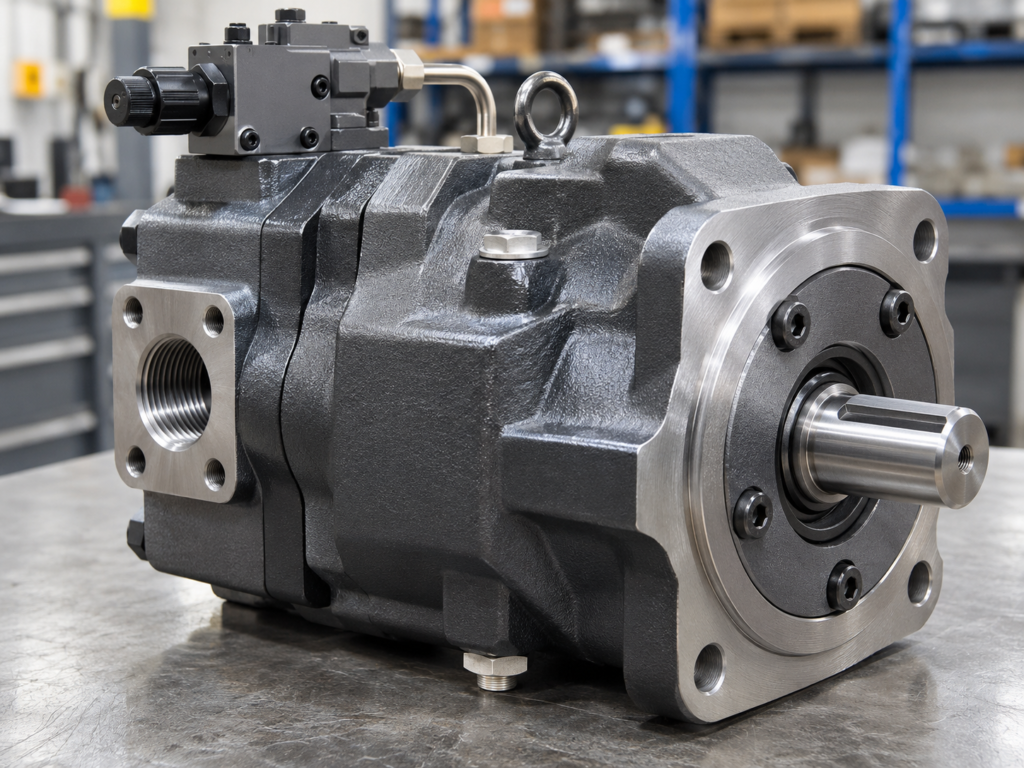
A hydraulic system transmits power through pressurised fluid. The pump converts mechanical energy into hydraulic energy, pushing fluid through the circuit. Valves direct, regulate, and control that fluid — where it goes, how much flows, and at what pressure. Cylinders and motors convert hydraulic energy back into mechanical work: cylinders produce linear force (push and pull), motors produce rotation. Hoses, fittings, filters, and the reservoir connect and protect the circuit, and the fluid itself carries power, lubricates components, and removes heat.
Every failure in the system traces back to one of these elements: the pump not delivering, a valve not controlling, a cylinder or motor not converting, the fluid degraded or contaminated, or a connection leaking. Diagnosis follows that logic — test the circuit in order, find the element that is not doing its job, and repair that element. Replacing parts without that sequence is how equipment ends up with a new pump and the same fault, because the real failure was a sticking valve all along.
Hydraulic Cylinders: Drift, Leaks & Resealing
Cylinders are the most visible hydraulic component, and their failures are the most obvious. External leaks at the rod seal show as oil on the rod or dripping from the gland. Internal leaks — fluid bypassing the piston seal — show as drift: the load slowly sinks or creeps when it should hold position. A scored or bent rod damages seals as fast as they are replaced, and a scored barrel bore prevents any seal from holding. Slow or jerky movement can mean internal leakage, a damaged rod, or contamination scoring the seals.
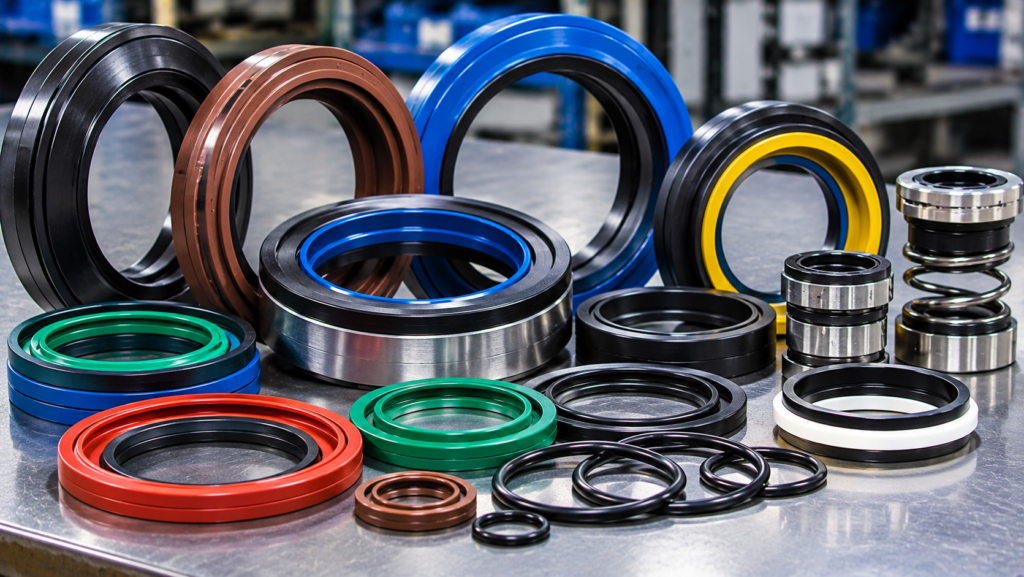
Repair follows inspection. The cylinder is stripped, the rod checked for straightness, scoring, and chrome condition, the barrel bore measured for scoring and wear, and the seals examined — seal condition tells the story of what failed and why. Resealing with the correct seal kit restores a cylinder whose rod and bore are sound. A damaged rod is repaired or replaced depending on severity; a scored bore may be honed or sleeved. After reassembly, the cylinder is pressure-tested before it returns to service — a reseal without a test is a hope, not a repair. For the full cylinder story, read the guide to how to repair a hydraulic cylinder.
Hydraulic Pumps: Cavitation, Wear & Loss of Flow
Pumps fail in two ways: they stop delivering enough flow, or they stop delivering it quietly. Cavitation — the formation and collapse of vapour bubbles when the pump is starved of inlet fluid — is the most destructive: it erodes internal surfaces, produces a distinctive rattling or gravel-like noise, and destroys a pump quickly if the cause is not found. Starvation causes include a clogged inlet strainer, a collapsed suction hose, low fluid level, or fluid too thick for the temperature. Wear is the slower killer: internal clearances grow, slip increases, flow falls, and the system slows down and heats up.
Diagnosis measures flow and pressure under load, compares them with specification, and checks inlet conditions before condemning the pump — because a pump replaced without fixing its starvation fails again. Repair depends on type and damage: gear pumps with worn housings are usually replaced; piston and vane pumps are often rebuilt with new rotating groups, seals, and bearings where the housings are sound. After repair or replacement, flow and pressure are re-tested under load, and the inlet circuit is verified clear, so the cause is fixed with the component.
Hydraulic Motors: Power Loss, Noise & Case Drain
Motors are pumps in reverse — fluid in, rotation out — and their failures mirror pump failures with a rotational twist. Power loss under load, slow rotation, excessive noise, and high case-drain flow (fluid leaking internally past worn components into the case drain line) are the classic signs. Case-drain measurement is the decisive test: a healthy motor leaks a small, specified amount to case drain; a worn motor leaks far more, and the excess flow is power that never reaches the output shaft.
As with pumps, contamination and starvation are the usual causes, and repair follows the same logic: strip, inspect, measure clearances, replace the worn rotating group and seals where the housing is sound, test under load. Motors driving wheels, winches, or slew functions fail in service-critical ways — a motor that stalls under load stops the machine — so testing under realistic load, not just free rotation, is what confirms the repair.
Hydraulic Valves: Sticking, Leaks & Erratic Control
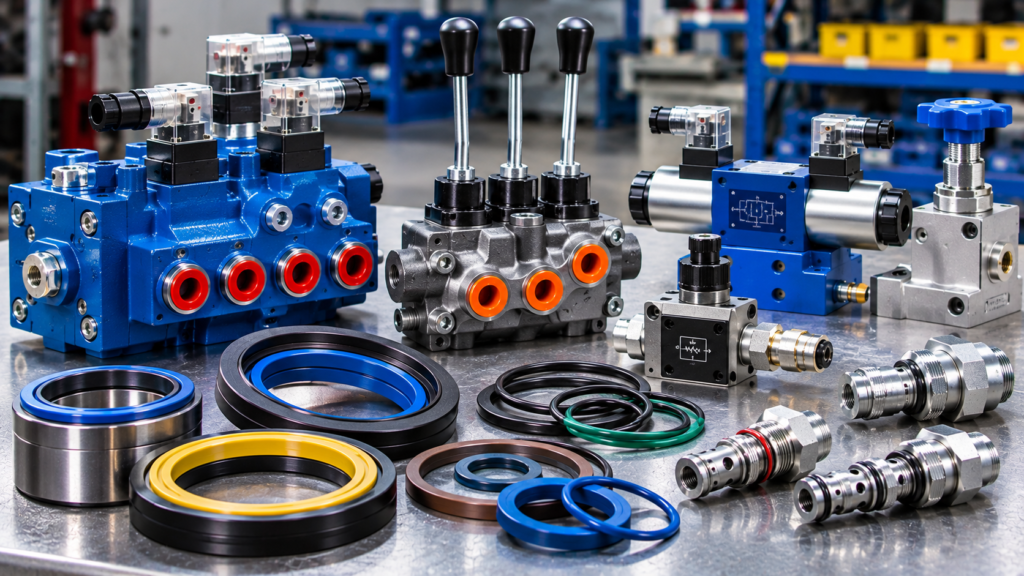
Valves are the system’s decision-makers, and their failures show as control problems: functions that move when they should not, fail to move when commanded, move too fast or too slow, or drift. A sticking spool — from contamination, varnish, or a damaged bore — causes erratic or delayed response. Worn spools and bores leak internally, causing drift and heat. Failed solenoids cause functions that do not respond at all, and the fault may be electrical (coil, wiring, connector) rather than hydraulic — a distinction that testing, not parts-swapping, resolves. Pressure-relief valves that open early rob the system of force; relief valves that stick closed over-pressurise it and risk damage elsewhere.
Valve diagnosis combines pressure testing at each function, electrical checks on solenoids and coils, and inspection of the fluid — contamination found in the fluid usually explains the valve fault and warns that other components are at risk too. Repair ranges from cleaning and resealing, through spool and seal replacement, to full valve replacement where bores are scored. After repair, each function is tested through its full range, because a valve that works at idle and fails under load has not been repaired.
Contamination: The Cause Behind Most Hydraulic Failures
Contamination is the single largest cause of hydraulic component failure. Particles score seals, bores, and precision surfaces; water corrodes and degrades fluid; air causes cavitation and spongy response; heat breaks fluid down into varnish that sticks valves. The damage is cumulative and often invisible until a component fails — which is why fluid condition is the first thing checked in any hydraulic diagnosis, and why filtration and fluid discipline prevent more failures than any repair.
The practical defences are simple and well proven: keep fluid clean and at the correct level, change filters on schedule, use the specified fluid, keep filler caps and breathers clean, seal the system during any work, and sample the fluid when problems recur. New fluid is not automatically clean fluid, either — fluid from an opened drum or a dirty container can carry the very particles the system must avoid, so clean handling during top-ups and changes matters as much as the fluid’s specification. In Dubai’s dusty conditions, that discipline pays for itself many times over: a clean system runs cooler, responds faster, and keeps its components years longer than a contaminated one.
Diagnosis & Testing: Evidence Before Parts
Hydraulic diagnosis is measurement, not guesswork. Pressure readings at key points reveal whether the pump delivers, the relief valve holds, and each function receives what it should. Flow readings reveal whether delivery matches demand. Case-drain measurement reveals internal wear in pumps and motors. Temperature readings reveal where energy is being lost as heat — a hot valve or a hot component is a component leaking internally. Fluid sampling reveals contamination, water, and wear metals that point at the failing element.
The sequence matters: check fluid level and condition first, then pressures, then flows, then component-specific tests. The driver or operator is told what was found, what the repair involves, and what it costs — confirmed before work begins. A cylinder is not resealed when the fault is a valve; a pump is not replaced when the fault is a clogged strainer. That discipline is what makes the repair last and the bill honest.
Repair or Replace? What the Evidence Decides
Whether a component is repaired or replaced depends on damage, availability, and economics — decided on evidence, not habit. A cylinder with a sound rod and bore is resealed; one with a bent rod and scored bore is rebuilt or replaced. A pump with a sound housing is rebuilt; one with a scored housing is replaced. A valve with a clean bore is resealed; one with a scored bore is replaced. The operator is told the reasoning and the options, including lead times where a replacement must be sourced, so the decision balances cost, downtime, and reliability with open eyes.
Downtime is the hidden cost in every hydraulic failure, and it shapes the decision as much as the part price. A repair that takes days may cost more in lost work than a replacement available immediately; a replacement with a long lead time may justify a repair that returns the machine to service sooner. The honest conversation covers both, and the decision is the operator’s, on full information.
Maintenance That Prevents Hydraulic Failures
Most hydraulic failures are preventable, and the prevention is routine. Check fluid level and condition regularly — dark, milky, or burnt-smelling fluid is a warning. Change filters on schedule, and sooner in dusty conditions. Keep the reservoir sealed and the breather clean. Inspect hoses and fittings for weeping, chafing, and damage; a weeping fitting is a leak that will grow and a contamination entry point. Listen for changes: new noise, slower functions, increased heat, or drift are all early warnings. Record pressures and temperatures when the system is healthy, so changes are visible when they appear. And after any repair, verify the fix under load before the machine returns to full service — a repair tested at idle and failed under load wastes the downtime it was meant to save.
What Hydraulic Equipment Repair Costs — and How Quotes Work
Service prices at 95 Services are kept very low as a matter of policy, and hydraulic work follows the same rule as every other job: diagnosis first, then the scope and price discussed and confirmed before repair work begins. No component is replaced on a guess, and no surprise appears on the bill afterwards. The quote reflects what testing found — which component failed, whether repair or replacement is the right answer, the parts and seals required, and the labour the access and testing require.
What affects the cost is straightforward: the component and its condition, the seal kits and parts needed, whether bench testing or on-machine testing is required, and the downtime involved. A reseal costs far less than a replacement, which is exactly why diagnosis comes first: the operator pays for the fault found, not for the most expensive guess. If inspection reveals more than expected, the operator hears about it first and approves the next step.
Mobile Service or Workshop Repair?
Inspection, diagnosis, pressure and flow testing, hose and fitting work, and many reseals and valve services are realistic mobile jobs, done where the equipment stands. Bench work — cylinder honing, pump and motor rebuilding, valve testing on a test rig — belongs in the workshop, where the tooling and clean conditions exist. The choice is made after diagnosis, case by case, and where equipment cannot be moved, car recovery and transport arrangements are discussed honestly. Either way, the response time, the low prices, and the confirmed quote stay the same. For the complete range of hydraulic services including recovery, read the hydraulic support guide.
How It Works: From Your Call to Equipment Back in Service
Every hydraulic job follows the same five steps. First, the call: phone or WhatsApp with the location, equipment details, and symptoms. Second, the response: help dispatched within the 15–20 minute standard, anywhere in the complete UAE. Third, diagnosis: fluid, pressure, flow, and component tests to find the real cause. Fourth, the quote: scope, parts, and price confirmed before any repair work begins. Fifth, repair and verification: the agreed work completed and tested under load to confirm the fault is gone — not just at idle, where a weak system can hide. That sequence never changes, because speed without diagnosis is guessing, and a repair without testing is a promise unverified.
Frequently Asked Questions
Why does my hydraulic cylinder drift down under load?
Usually internal leakage past worn piston seals, though a leaking valve can cause the same symptom. Pressure and drift testing separates the two before any parts are ordered.
What causes a hydraulic pump to make noise?
Most often cavitation from inlet starvation — a clogged strainer, collapsed hose, or low fluid — or internal wear. The noise is a warning: running a cavitating pump destroys it quickly.
How do I know if a hydraulic valve is faulty?
Erratic, delayed, or drifting function control, functions moving without command, or overheating at the valve. Pressure testing at each function and electrical checks on solenoids identify the fault.
How often should hydraulic fluid and filters be changed?
On the equipment manufacturer’s schedule, and sooner in dusty or high-temperature conditions. Fluid condition — colour, smell, contamination — is the real guide, and sampling settles the question.
How fast can help reach me?
The response time is 15–20 minutes. Call or WhatsApp +971 54 344 3513 with a live location, equipment details, and symptoms, and help is dispatched to reach the site within 20 minutes, anywhere in the UAE.
Are 95 Services prices low?
Yes — service prices are kept very low as a matter of policy. Diagnosis comes first, and the scope and price are confirmed before repair work begins, with no work starting without the customer’s approval.
Contact 95 Services: Hydraulic Equipment Repair Across the UAE
Whether a cylinder drifts, a pump whines, a motor loses power, or a valve sticks, the first step is one call. Contact 95 Services on +971 54 344 3513 by phone or WhatsApp, or email info@95services.com, with the equipment details, the location, and the symptoms. Help is dispatched within the 15–20 minute response standard, prices stay very low, and the quote is confirmed before any work begins. The office is at Ahmed Ali Al Owais Showroom Building, Office M05, Abu Hail, Al Khabaisi, Dubai, UAE. Call before visiting so the correct service arrangement can be confirmed. For general repairs, see car repair and maintenance, or visit the contact page to send an enquiry.
